

























































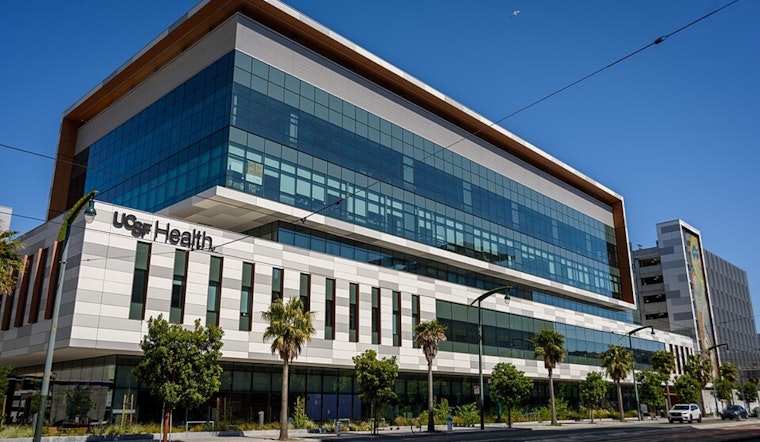
UCSF has quietly rolled out what its leaders say is the nation's first IBD Longevity Clinic, a practice built specifically for patients 65 and older who are living with inflammatory bowel disease. Opening this summer, the San Francisco program pairs gastroenterology with geriatrics, pharmacy and nutrition to tackle the complicated overlap of IBD and aging. Patients like 81-year-old Peter Milkie, who receives regular infusions at UCSF Mount Zion, are the kind of cases clinic founders point to when they talk about the need for coordinated care. The goal is to cut down on fractures, medication-related harm and social isolation while keeping older adults active in their communities.
Clinic model is multidisciplinary
Since its July launch, the IBD Longevity Clinic has already seen roughly 50 patients and was deliberately built as a team sport. Gastroenterologists, geriatricians, nutritionists and pharmacists all sit on the same care bench. UCSF gastroenterologist and clinic co-founder Dr. Kendall Beck told reporters that "it takes a proverbial village to care for them," emphasizing the program’s focus on whole-person needs as patients age. The setup is meant to catch issues like frailty, malnutrition and risky medication combinations that can be missed in a standard GI appointment, according to the San Francisco Chronicle.
How the clinic works
Led by gastroenterologist Kendall Beck and geriatrician Anu Madhavan, the program starts with a comprehensive geriatric assessment, an in-depth pharmacy review and a coordinated care plan that loops in each patient’s primary doctor. UCSF says referrals are routed through its Colitis and Crohn's Center, and the new clinic is set up to offer both in-person and remote visits as it scales. The team also plans to launch research protocols to track outcomes in older adults, a group that has long been underrepresented in clinical trials, as detailed by UCSF News.
An aging IBD population
Global data suggest the clinic is arriving just in time. A January review in Autoimmunity Reviews projects that by 2030, more than one-third of people with IBD worldwide will be 60 or older. Clinicians also describe a "second peak" of new diagnoses between ages 60 and 70, meaning growing numbers of older adults will be learning they have IBD for the first time and will likely need specialized care. That shift, layered on top of the large baby boomer population, is reshaping how health systems think about long-term chronic disease management, as noted in Autoimmunity Reviews.
Clinical risks for older patients
For older adults with IBD, the treatment calculus can look very different from that of younger patients. Repeated or long steroid courses can speed up bone loss and increase fracture risk, which is why guideline groups call for early fracture-risk assessment and treatment when appropriate. The American College of Rheumatology guidance on glucocorticoid-induced osteoporosis outlines when to screen and when to use medications in people starting or staying on long-term steroid therapy. At the same time, polypharmacy, commonly defined as taking five or more medications, raises the odds of dangerous drug interactions, falls and cognitive decline in older adults, according to BMC Geriatrics.
What patients can expect
For Bay Area residents, the IBD Longevity Clinic is designed to be a single front door where both bowel flares and aging concerns are handled in one place, with pharmacy consults and geriatric planning built straight into the visit. UCSF leaders say they expect the program to grow to serve hundreds of older patients each year as referrals ramp up. Anyone interested in the service is being urged to talk with their gastroenterology team about a referral to the Colitis and Crohn's Center. More details about the center and its referral process are available through UCSF Health.





