

























































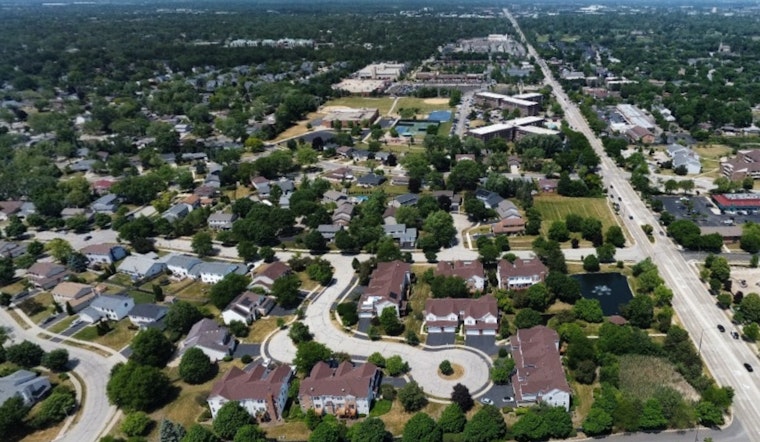
The long-stalled plan to turn Schaumburg's 33-acre Loeber Farm into housing is back in motion, and this time village leaders are eyeing tax-increment financing as the tool that might finally push it over the hump. After a rental-heavy proposal sparked heavy neighborhood backlash, the developer has returned with a sharply scaled-back, for-sale concept. Village officials say the catch is that costly public infrastructure, including a bridge over Salt Creek, sewer extensions, and a sanitary lift station, still has to be built before any homes can rise.
Village Weighs TIF Extension
At its meeting next Tuesday, the Schaumburg village board is expected to start the formal process of extending a nearby TIF district north of Algonquin Road so it covers the Loeber Farm site. That move could free up public money for the expensive site work. According to the Daily Herald, Mayor Tom Dailly argued the incentive "gives us an opportunity to reduce the density." Village officials say the TIF discussion would run alongside, not ahead of, the separate zoning review of the project.
Developer Scales Back To For-Sale Homes
Elmhurst-based Nitti Group is now seeking approval for roughly 122 for-sale units on the property, a mix of single-family homes, row houses and townhouses, after pulling a denser rental concept last year. The Real Deal notes that earlier plan topped 300 rental units and drew sharp opposition from nearby residents.
Site Challenges Are Real
The Loeber parcel is split down the middle by Salt Creek, and its uneven topography drives up construction costs and complicates stormwater and wetlands review. The village reports that the developer has already submitted multiple revised plans this year while staff and outside consultants work through engineering, traffic and environmental issues. The Village of Schaumburg details those iterations on its project page.
Numbers Behind The Request
Crain's Chicago Business reported that the developer pegs the total project value at about $82 million, while village leaders are weighing roughly $4.8 million in TIF-eligible spending for the Salt Creek bridge and related utility connections. Crain's Chicago Business also reported that the extension would pull from a portion of the TIF district's projected remaining increment.
Board Briefings And Public Review
Public records show village trustees and advisory commissions have already been briefed on alternate scenarios for the land. Meeting agendas indicate staff was instructed to keep working with the developer on a revised zoning application that lines up with the latest concept. The NovusAGENDA archive for an earlier session documents those presentations and motions.
Who The Homes Would Aim At
Nitti's marketing materials sketch out price tiers that put the project firmly in the mid-to-upper neighborhood bracket. Rowhomes are listed starting in the $500,000s, townhomes around the $600,000s and single-family houses around the $800,000 range. Those figures appear on the builder's Loeber Farm community page, where Nitti Development lists the home types and starting prices.
How A TIF Would Help
Tax-increment financing lets a municipality channel the increase in property tax revenue that comes from new development into eligible public improvements, instead of folding it into general revenues. Under Illinois law, TIF districts can capture that increment for up to 23 years, so any extension is weighed against projected revenue, legal timelines and other local priorities. The Village of Pingree Grove offers a plain-language overview of how the tool works.
Next Steps
The Zoning Board of Appeals is scheduled to take up the Loeber Farm application the day after the village board considers the TIF question. Officials say that combined review and public notice process could set up a final vote on the TIF extension as soon as March. A previous, rental-focused version of the project drew strong neighborhood opposition and was withdrawn before trustees could vote, a reminder that public feedback and close technical scrutiny of the creek crossing and utility plan will heavily influence whether the Loeber fields finally turn into homes or stay untouched. The Real Deal has tracked the recent timeline and reaction from residents.





