

























































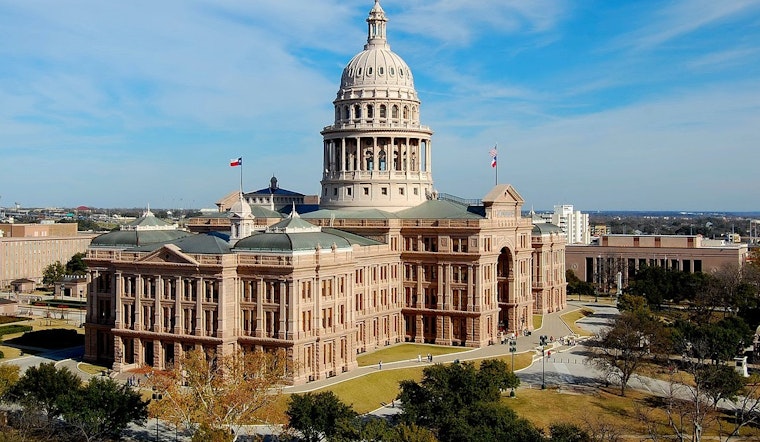
The U.S. Supreme Court on Thursday cleared the way for Texas to roll out its newly redrawn congressional map in the 2026 elections, putting a lower court’s ruling on ice after judges there said the plan was likely racially discriminatory. By issuing an emergency stay, the justices allowed the GOP-leaning lines, passed this year and signed by Gov. Greg Abbott, to control candidate filings and primary ballots while the legal battle grinds on. Backers cast the decision as a win for state control over elections, while critics warn it will cement partisan advantages and weaken the voting strength of minority communities.
What the court said
According to Reuters, the unsigned Supreme Court order declared that "The District Court improperly inserted itself into an active primary campaign, causing much confusion and upsetting the delicate federal-state balance in elections." Reuters reported that the court’s conservative majority issued the order, which lets the map take effect while Texas presses its appeal.
Why the map was blocked
A three-judge federal panel in El Paso had sidelined the 2025 map in November, finding it likely amounted to an unlawful racial gerrymander. As detailed by SCOTUSblog, U.S. District Judge Jeffrey Brown’s 160-page opinion concluded that state officials injected race into the redistricting process and that the new districts would likely dilute Black and Latino voters’ ability to elect candidates of their choice.
What the map changes
The redrawn plan, approved by the Republican-led Legislature and signed into law this summer, could flip as many as five currently Democratic-held U.S. House seats to Republicans, according to the AP. That potential shift would reconfigure Texas’ 38-seat delegation and could bolster the GOP’s position in the U.S. House as the 2026 midterms approach.
Immediate effect on filings and ballots
Timing is the whole ballgame here. The filing window for Texas primary candidates runs through Dec. 8, which means county parties and election officials have to prepare ballots and paperwork under whichever map is currently in force, according to the Texas Secretary of State. That calendar crunch sat at the center of Texas’ emergency appeal, in which state lawyers argued that a late-breaking injunction would scramble ongoing campaigns and election administration.
Reactions
State leaders quickly celebrated the ruling. Attorney General Ken Paxton called the order a "massive win" for conservatives, according to FOX 26 Houston. Voting-rights groups and Democrats denounced the stay, and in a pointed dissent Justice Elena Kagan warned that the majority’s move risks assigning many Texans to districts because of race, a concern highlighted in reporting by SCOTUSblog.
Legal implications
Legal analysts say the court’s focus on timing and the so-called Purcell principle could further limit when judges step into fights over election maps, potentially narrowing judicial review of contested rules as ballots are being finalized, Reuters reports. Critics argue that this approach risks shielding maps that disadvantage minority voters from meaningful scrutiny until after elections are already underway.
The case itself is nowhere near finished. Challengers can still pursue their constitutional claims on the merits, and more litigation is expected as the appeal moves forward. For now, the order means the new districts are likely to appear on primary ballots unless the Supreme Court takes the issue up again later this term, the AP reports.





