

























































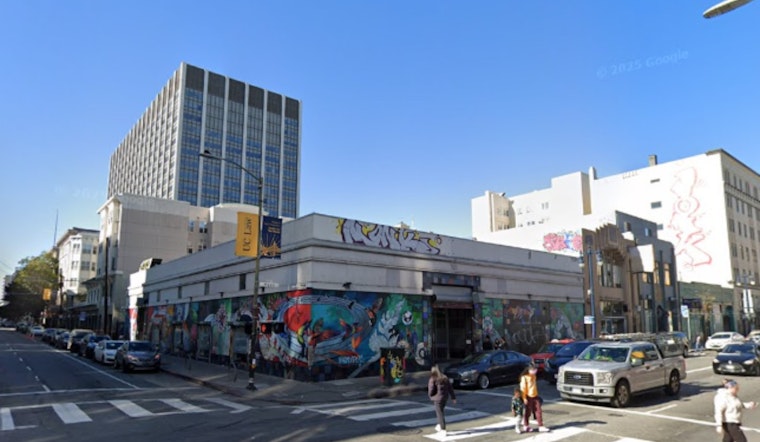
San Francisco is trying again to jumpstart long-stalled affordable housing at 101 Hyde Street, lining up a new lease deal that keeps La Cocina in place but puts a timer on how long the food nonprofit can stay before homes are finally built. The Board of Supervisors' Budget and Finance Committee has signed off on the proposal, and the full board took it up yesterday, setting the stage for a vote that could reshape the project’s long and messy timeline.
According to Legistar, the item is filed as File No. 251146 and would approve a second amendment to La Cocina’s lease at 101 Hyde. The public record shows the measure was amended and forwarded by the Budget and Finance Committee, clearing it for full board consideration.
As reported by Mission Local, the new terms would extend La Cocina’s lease through December 31, 2031, but let the city cancel the lease after two years if affordable housing funding or a willing developer comes together. Mission Local also notes that the Mayor’s Office of Housing and Community Development agreed to actively seek a developer by 2027, and that Supervisor Bilal Mahmood pushed the administration to spell out stronger housing commitments before he would support any lease extension.
La Cocina’s Space and Why It Matters
La Cocina launched its public marketplace at 101 Hyde in 2021, then shut the food hall to the public in 2023 and shifted the site into a shared commercial kitchen, citing low foot traffic and high operating costs. That pivot, coupled with La Cocina’s reputation as an incubator for immigrant- and women-owned food businesses, is at the heart of the current debate over whether to prioritize keeping the nonprofit on site or to more aggressively chase the long-promised housing. The marketplace’s conversion was covered by KQED, and Hoodline tracked the project when the marketplace first opened.
How a Former Post Office Became a Housing Test Case
The building at 101 Hyde, a former post office, was folded into a 2016 deal that called for roughly 85 income-restricted units, a promise that has loomed over the site ever since. Years of delays have left Tenderloin advocates frustrated as they watch a prime public property remain stuck in limbo. The earlier purchase and the city’s agreement, along with the fight over temporary uses for the property, are laid out in The Real Deal.
What the New Lease Would Actually Do
If the full board signs off, the second amendment would formally keep La Cocina as an interim tenant while giving the city an explicit option to end the lease after two years if a viable housing plan lines up. City officials describe this as a compromise that keeps a popular incubator active on a tough block, without locking up a site that has long been promised for affordable housing. The Legistar summary presents the change as an attempt to both keep the ground floor lively and preserve the city’s commitment to build subsidized homes at the parcel.
Neighborhood Reaction: Hopeful, but Wary
Response from the Tenderloin has been measured. According to Mission Local, Supervisor Bilal Mahmood pressed for concrete housing steps before agreeing to any lease extension, while local resident and tenant leader Michael Nulty called the city’s latest move a meaningful step forward and said he was grateful. Mission Local also reports that, under the updated arrangement, La Cocina has agreed to ramp up community programming and to offer limited meeting and office space at no charge during business hours.
The city told KQED it still has not secured a developer for the site and expects to pursue a selection process during the extended lease term if and when funding becomes available. Video and documents from the Budget and Finance Committee hearing are posted on the city’s public meeting portal, Granicus.





