

























































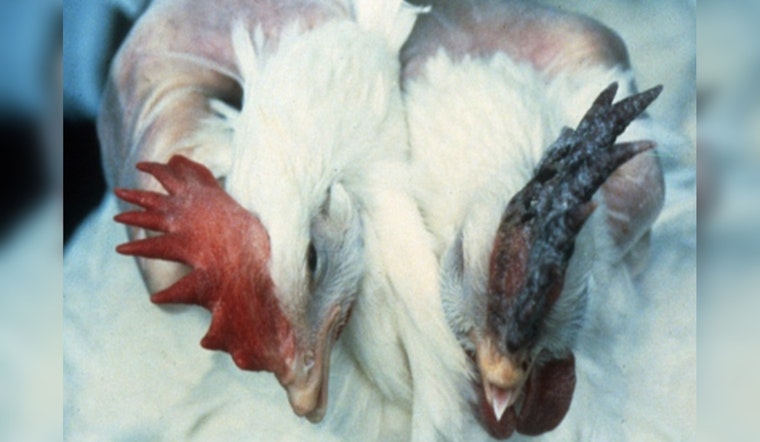
As the outbreak of Highly Pathogenic Avian Influenza (HPAI) undermines the equilibrium of wild and domestic bird populations across the Southeast, the Tennessee Wildlife Resources Agency (TWRA) is stepping up with guidelines aimed at staunching the spread. According to the official release by TWRA, they underscore the necessity for hunters to observe safety protocols when handling game birds, particularly as reports filter in about infections detected in snow geese in neighboring states.
Jamie Feddersen, TWRA's Migratory Gamebird Coordinator, remarked on the seriousness of the situation, saying, "I am hearing reports out of Arkansas and Mississippi of snow geese infected with HPAI," and stressing the importance of vigilance, “I would recommend anyone handling a wild duck or goose to be mindful and use safety precautions,” as stated by the Tennessee Wildlife Resources Agency. The advised measures for hunters are precise and preventive, including changing clothing before and after visiting poultry facilities, thoroughly laundering gear, and disinfecting footwear with a bleach solution to curb any potential contamination.
Furthermore, homeowners are advised to pause backyard bird feeding and cover bird baths, adopting a stance of watchful waiting and reporting any abnormal mortality in the feathered visitors. Should they encounter any deceased birds, contact should be avoided, and prompt handwashing is suggested to mitigate cross-species virus transmission, as detailed by the Tennessee Wildlife Resources Agency.
While the USDA continues to monitor the disease across multiple sectors, the TWRA plays a pivotal role in tracking the health of migratory wild bird populations and safeguarding the state’s ecological integrity. By urging the public to use its online reporting system, the agency positions the community as an active partner in the early detection and response to avian health issues.





