

























































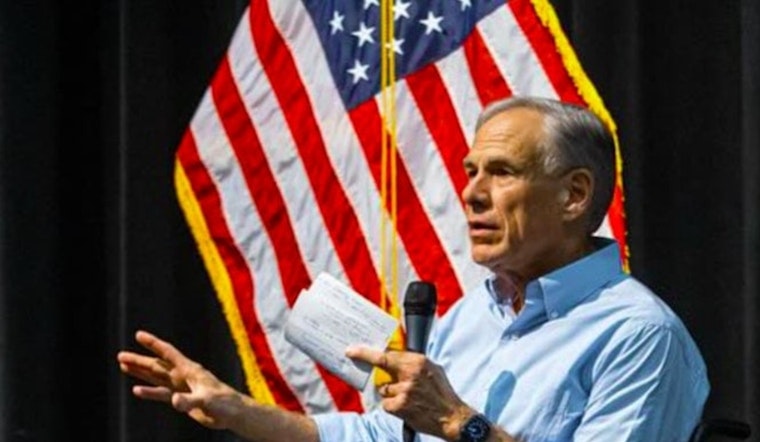
Texas Governor Greg Abbott has unveiled a plan to establish a "Chief State Prosecutor" role that would provide the state with the authority to supersede local district attorneys' decisions on prosecutions. The move, Abbott asserts, is in response to what he sees as a failure by certain DAs, particularly in cities like Austin, to adequately prosecute criminals. As reported by FOX 7 Austin, this proposal aims to address instances where charges were dismissed or reduced, referencing a case involving a man with over 30 charges since 2019 who was not prosecuted to the governor's satisfaction.
In reaction to criticisms of "progressive DAs," who Abbott accuses of contributing to the endangerment of Texan lives, the governor expressed a need to transfer prosecutorial power to "actual prosecutors." KVUE highlighted Abbott's statement, where he said, "Progressive DAs are literally leading to the murder of Texans," emphasizing his push for accountability. The Texas Governor's proposal, however, raises questions about the balance of state versus local jurisdictional authority, given the existing mechanisms that permit the attorney general's office to intervene in complex or conflicted cases. The planned position has caught attention due to its potential to fundamentally alter prosecutorial discretion traditionally granted at the local level.
The idea of a new Chief State Prosecutor has been met with some skepticism. Retired Travis County district court judge and now criminal defense lawyer, Charlie Baird, noted to KVUE that the Attorney General in Texas already holds broad prosecutorial authority and that local prosecutors are generally more attuned to the community's approach to justice. The push for this new role further complicates the already complex dynamics between local autonomy and state oversight.
Abbott's proposal comes against the backdrop of recent legal actions, including a petition to remove Travis County District Attorney José Garza from his position and the enforcement of House Bill 17, targeting what the bill terms as "rogue district attorneys." Despite these challenges and a temporary stay in proceedings, Garza was reelected, and the case for his removal was later dropped. Critics, such as Baird, argue that creating additional statewide jurisdictions could potentially exacerbate existing challenges in the criminal justice system, leading to a more cumbersome procedure for prosecuting cases. These statements collectively paint a picture of legal and political discord regarding the appropriate scope and reach of prosecutorial authority in Texas.
As Texas moves forward, this debate concerning the establishment of a "Chief State Prosecutor" will undoubtedly continue to engage legislators, legal experts, and the public alike. With lawmakers not reconvening until January 2027, the dialogue surrounding this issue is poised to evolve, potentially shaping the future landscape of prosecutorial powers in Texas. As it stands, the proposed measure prompts a broader conversation about the roles of elected district attorneys, state power, and the preferred pathways to justice and public safety for the people of Texas.



