

























































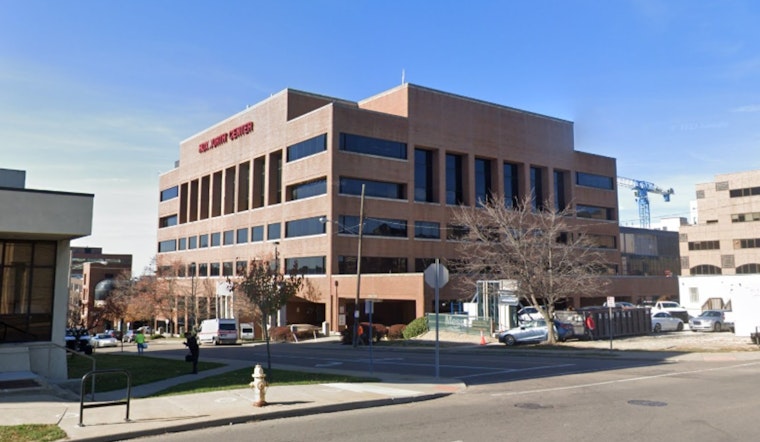
The University of Cincinnati Cancer Center's Leukemia and Drug Development Laboratory (LDDL) isn't just at the forefront of finding new treatments for blood cancers, it's also grooming the next crop of scientific talent. Featuring a wide range of students, from those in their undergraduate studies to those engaged with the Physician Scientist Training Program, the LDDL is providing an environment where these future researchers and physicians cut their teeth on tangible, groundbreaking work. According to the University of Cincinnati, the lab offers hands-on experience that is crucial in the education and development of upcoming medical experts.
Among these trainees is Izzy Adams, whose testimonial speaks volumes about the lab’s efficacy in shaping professionals. Having graduated with an undergraduate degree last May, Adams relayed her experience with LDDL, saying, "Working in the LDDL has been an incredible experience. Our team does a really good job at allowing you to do lots of different projects and learn different things and be very hands on," according to a statement obtained by the University of Cincinnati. Under the guidance of Dr. Sara Elgamal, she contributed to research on treatments targeting the commonly mutated enzyme BTK in chronic lymphocytic leukemia (CLL).
The LDDL's real-world impact is highlighted by the transition of therapies from the experimental phase to clinical trials. With the current concern of BTK inhibitor resistance in cancer cells, Adams played a part in the development of second and third-line therapies. "So it was really cool being able to do experiments and help progress work for these patients when their first-line therapy doesn’t work," Adams told the University of Cincinnati. Venturing beyond BTK inhibitors, her role has evolved to involve cellular therapies like CAR T-cells for combating acute myeloid leukemia (AML).
As Adams transitions into her role as a full-time research assistant, she is actively involved in studies creating CAR T-cells and testing their efficacy on human cell lines. Having the chance to observe her work move into clinical settings where real patients benefit has been, as she puts it, exciting. "I've been able to conduct studies to create these CAR T-cells and test their efficacy on human cell lines to then be going into a clinical trial where we do this with real patients," in a statement obtained by the University of Cincinnati, detailed Adams. The impetus provided by this translational aspect of her work was further underscored by the pending move of LDDL into the new Blood Cancer Healing Center, a move that promises to blend laboratory endeavors more closely with patient care.
Looking forward, Adams has set her sights on a career as a physician-scientist, aiming to bridge the gap between clinical practice and laboratory research. Her motivation is fueled by a desire to make a difference in the lives of those affected by blood cancers, a sentiment that resonates with the overarching mission of the LDDL.





