

























































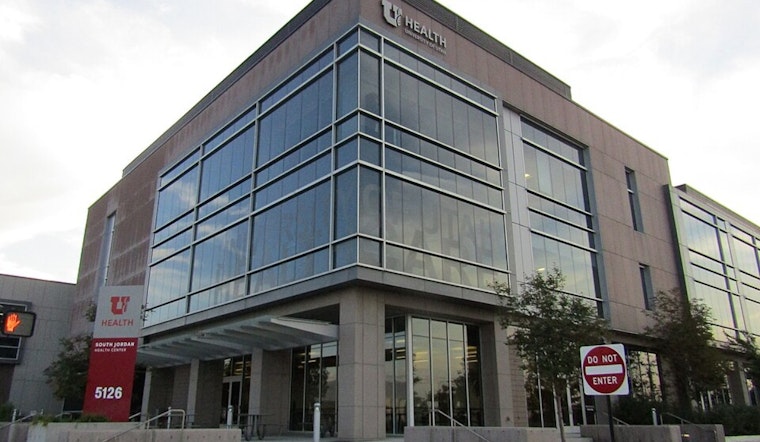
University of Utah Health has just hit a new high watermark in the field of research funding. According to University of Utah Health details released early this morning, the institution has rocketed past $500 million, achieving a substantial $531 million for the 2025 fiscal year. U of U Health's growing funding is a signifier of their expanding influence in medical and health-related research, as well as their commitment to societal impact.
The numbers lay a clear trajectory of success, over the past half-decade, research activity has swelled by 24 percent and since FY14, it has more than doubled. 755 principal investigators took home 1,835 awards in 2025, with the health sciences funding accounting for a formidable 68 percent of the university’s total research portfolio of $782 million. In a statement obtained by the university's own publication, Rachel Hess, MD, MS, the system chief research officer for U of U Health, revealed that faculty submitted a "staggering" $2.3 billion in research proposals this past year—an upsurge of $500 million compared to the previous year.
Research initiatives at U of U Health have been notably diverse. The largest slice of their funding pie comes from the National Institutes of Health, which provided $264.1 million in FY25, with industry collaborations coming in next in line. Other significant contributors include federal agencies like the Centres for Disease Control and Prevention, Environmental Protection Agency, and Department of Defence, cumulating an additional $110.7 million. Not to be overlooked is philanthropic investments, which have been instrumental in launching new and early-stage projects.
University-driven studies are peeling back the layers on some of society's most critical health issues. Investigations into oral health, a $21.6 million probe into the influences of high blood pressure on the brain, and a pioneering study into acupuncture's effectiveness for veterans suffering from Gulf War Illness are just a taste of what's cooking. Moreover, an NIH New Innovator Award is funnelling resources into the development of a blood test that can assess how environmental factors impact the organs—think air quality's effects on lungs or how dietary changes disrupt gut health. Another key initiative, backed by the CDC and the U.S. Department of Health and Human Services, is engaging rural communities to combat childhood obesity via the Mountain West Prevention Research Center.
The implications of such ambitious research are vast, poised not only to improve health on a local level in Utah but also to ripple out its benefits globally, reinforcing the importance of investing in health sciences and the researchers leading the charge.





.jpg)