

























































Opening statements began today in the long-delayed murder trial over the death of Vicha Ratanapakdee, the 84-year-old San Francisco man known affectionately as "Grandpa Vicha." Surveillance footage of the January 2021 attack spread across the internet, and the case quickly became a rallying point for activists and families alarmed by violence against Asian Americans. After years of motions and continuances, this is the first time the case is being put in front of a jury in San Francisco.
Opening statements were set to begin Monday, according to NBC Bay Area, which noted that the trial has drawn national attention and will be closely watched by the Bay Area's Asian American community. The outlet's coverage includes a courthouse package from Ginger Conejero Saab and on-the-ground reporting from the start of the proceedings.
Surveillance video shows the defendant running toward Ratanapakdee and shoving him to the pavement in the Anza Vista neighborhood. The 84-year-old died two days later from head injuries. As reported by ABC7, the assault happened along Anza Vista and Fortuna avenues and was captured on a nearby security camera.
Authorities say they identified Antoine Watson using surveillance images and other footage. Watson and an associate were arrested shortly after the attack and have been in custody ever since. KPIX/CBS Bay Area reports that officers had encountered Watson earlier the same morning during a traffic stop, and that he was later charged with murder and elder-abuse counts after prosecutors reviewed the video.
Defense attorneys have repeatedly asked judges to reduce the charges, but a motion to lower the murder count to manslaughter was rejected earlier this year, keeping the case on track for a full trial. The April ruling denying the defense request was reported by NBC Bay Area.
Community Grief, Street Signs And A Lasting Legacy
Ratanapakdee's killing sparked waves of local activism and public memorials, and the city later installed an honorary street sign near the site of the attack in his memory. The Standard detailed the renaming ceremony, the continued public presence of Ratanapakdee's family, and the role the case has played in broader Stop Asian Hate efforts.
Charges And What Prosecutors Must Prove
Prosecutors will have to convince jurors that Watson's actions directly caused Ratanapakdee's fatal injuries and that the elements of murder and elder abuse are satisfied under California law. Reporting and analysis from KQED has examined why some high-profile attacks in San Francisco are not pursued as hate crimes and the legal standards that can make those charges difficult to bring.
Inside The Courtroom: What Comes Next
Defense lawyers say the assault was not premeditated and that their client has struggled with mental-health issues. They plan to challenge the prosecution's account through opening statements and witness testimony. Watson's attorney told ABC7 that "not all of the facts about what happened have come out," signaling that the defense intends to present its own detailed version of events to the jury.
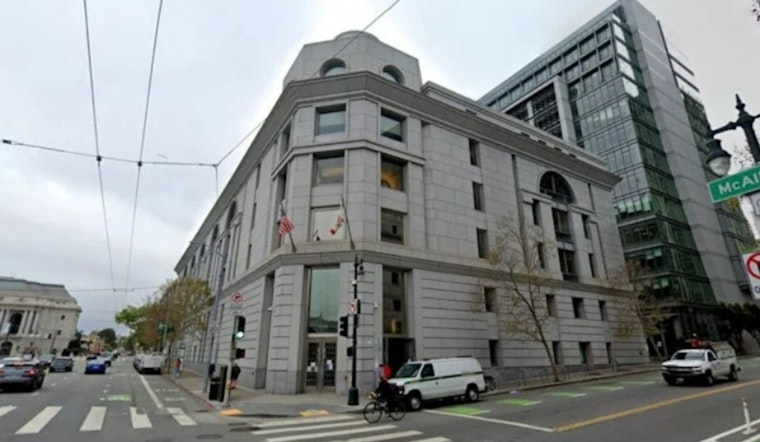
The trial is being held at the Hall of Justice in downtown San Francisco and is expected to draw the victim's family, advocates and national attention as testimony unfolds. The San Francisco Superior Court lists the Hall of Justice at 850 Bryant Street, where courtroom calendars and department assignments will ultimately determine how long the jury remains seated in this case. Follow-up reports are expected to clarify the projected trial length as the schedule develops.



