

























































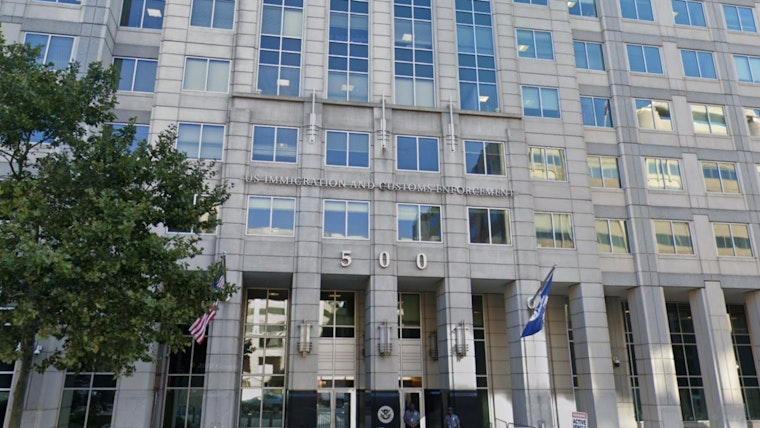
Alameda County supervisors are weighing a pair of moves that could effectively put county-owned and county-run properties off-limits to federal immigration agents, while spelling out how the East Bay should respond if federal officers suddenly flood the area. The measures, discussed in an ad hoc committee Thursday, aim to protect county services and residents without closing off public facilities. Advocates and elected officials say the goal is to avoid a repeat of the disruption and fear that swept through local communities after federal deployments in the region last fall.
The primary resolution would label county-owned or county-operated sites as "ICE-free zones." It would require officials to identify spaces that could be used for staging or processing, post signs that restrict those uses, and add locked gates or other physical barriers where feasible, according to KQED. The measure would also create a process for county staff to report any attempt by federal officers to use county property and would authorize county attorneys to sue the federal government if agents violate the policy. Supervisor Nikki Fortunato Bas told committee members the plan follows similar efforts in neighboring counties and other U.S. cities that have seen surges of federal agents.
A companion proposal would instruct the county administrator to put together an immigration enforcement response plan that trains employees on their rights, stresses handling client matters in private, and routes any reports through the county’s rapid response network. "If there is a surge, our office has been on the front lines and will continue to be on the front line of representing people who are being, in so many ways, unfairly persecuted by this administration," Alameda County Public Defender Brendon Woods said, as reported by KQED. Supporters say the training and reporting rules are designed to keep clinics, courts and food distribution sites operating even if federal enforcement ramps up nearby.
Regional momentum and county actions
The push in Alameda comes as other local governments move in the same direction. The Los Angeles County Board of Supervisors voted this week to have county counsel draft an ordinance creating "ICE-free" zones on county property, as reported by the Los Angeles Times. In December, Santa Clara County adopted what the San Francisco Chronicle described as the Bay Area’s first such ordinance, blocking federal agents from using municipal land as a staging area while still allowing the execution of valid judicial warrants. Alameda officials say that emerging regional patchwork gives them both models to borrow from and legal questions to work through.
October staging and local alarm
County leaders still point to a tense episode in October, when Customs and Border Protection agents were staged at Coast Guard Island in Alameda, triggering protests and a security scare that raised concerns about operations spreading across the Bay, according to the Associated Press. That deployment, and a subsequent presidential pause for San Francisco, highlighted how quickly federal enforcement can disrupt local services and public life. Backers of the new proposals argue that clear rules and communication channels would help soften that blow and shield vulnerable residents.
Legal questions and potential challenges
Legal experts caution that Alameda’s moves could face courtroom tests. The Los Angeles Times notes that federal prosecutors and some federal officials argue local governments cannot categorically bar federal agents from public spaces, a position that could lead to litigation. County proposals attempt to limit that risk by carving out exceptions for valid judicial warrants and emphasizing coordination with other agencies, while still giving Alameda tools to document and respond to what it views as misuse of county property.
If the committee votes to advance the measures, the full Board of Supervisors could take them up later this month, potentially placing Alameda among several Bay Area jurisdictions that are writing immigrant protections directly into local law. Community groups and legal nonprofits say they plan to keep advising the county on how to put the rules into practice, even as federal officials make clear they intend to continue enforcing immigration laws. Earlier local coverage of Alameda’s initial discussions is available in reporting on Alameda’s initial steps.





