

























































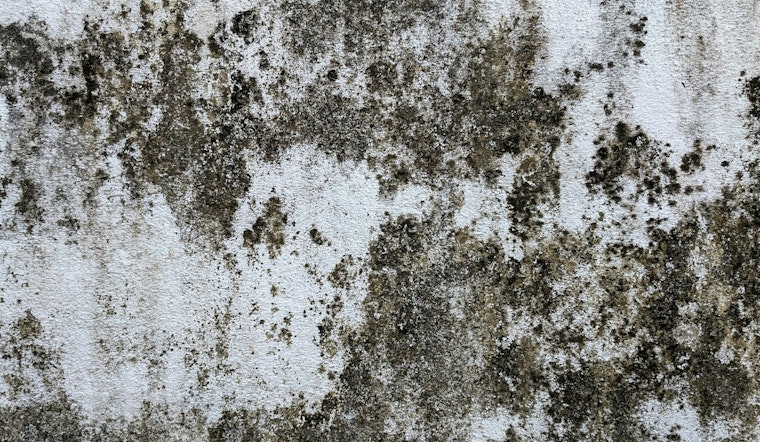
A Chicago mother of four says her subsidized Albany Park apartment has turned into a health hazard, with months of unresolved problems that she believes are making her children sick. She describes mold creeping across the bathroom, cold drafts, and holes in ceilings and walls, and says her daughter with severe asthma has been hit hardest. The mom says she has emails and photos documenting repair requests going back to July 2025, along with a promised internal transfer to a safer unit that still has not happened.
As reported by FOX 32 Chicago, the woman, who is identified publicly only as Nicole S. for safety reasons, walked reporters through the unit. She pointed out a gaping hole above the shower that she says has been “patched” with a trash bag and described doors that no longer close properly, allowing cold air to pour into the apartment. When contacted about the situation, the property’s management declined to comment to the station and instead directed questions to the Chicago Housing Authority.
“I feel like a horrible mother,” Nicole told FOX 32 Chicago, saying her children have endured repeated asthma attacks and allergic reactions that she connects to the conditions inside the unit. She says internal maintenance notes and her email trail, stretching back to July 2025, show that management has known about the issues for months but that the core problems remain unresolved.
Mold Can Trigger Asthma Attacks and Allergies
Public health authorities have long warned that indoor mold and dampness are linked to allergic symptoms and can make asthma worse in children, leaving families in affected homes especially vulnerable. The Illinois Department of Public Health explains how moisture problems inside a building can lead to mold growth and advises fixing the underlying moisture source, then turning to local code enforcement if a landlord will not act. Federal guidance from the U.S. Environmental Protection Agency similarly stresses that controlling moisture is the key to keeping mold in check. Both IDPH and the EPA outline step-by-step cleanup and prevention advice for households trying to reduce their exposure.
Tenants Have Specific Remedies Under Chicago Rules
Chicago renters are not without tools when landlords ignore serious repair requests. Local rules allow tenants to send a 14-day written demand for repairs and, in limited situations, to use a “repair and deduct” approach, as laid out in city law. Legal guides that summarize the Chicago Residential Landlord and Tenant Ordinance emphasize the importance of putting repair requests in writing, documenting conditions, saving receipts for any work done, and talking with a lawyer before withholding rent or attempting repairs on your own. A plain-language overview of renter protections explains the usual process and limits, and SixFifty walks through the common steps tenants are advised to follow.
Enforcement Gaps Leave Some Families Waiting
Even when tenants report problems to the city, advocates say the wheels of enforcement can turn slowly. Investigative reporting has documented cases in which code complaints linger for months, with delayed inspections and uneven follow-up that leave residents living alongside hazards. Tenant advocates argue that sluggish enforcement, combined with fragmented oversight of subsidized properties, can stretch families’ patience and strain their health. Injustice Watch has detailed some of these enforcement challenges in Chicago, highlighting how gaps in the system can leave vulnerable renters stuck in unsafe homes.
Where Families Can Turn for Help
Families dealing with unhealthy conditions are urged to document what they see, keep copies of all written repair requests, and take photos of the damage. Tenants can also contact the city through 311 to request an inspection of their unit. For those who need legal guidance on what to do next, organizations like Legal Aid Chicago may be able to help explain options and next steps. Public health information from IDPH and the EPA can provide practical tips to reduce short-term mold exposure while longer-term fixes are pursued. If a child is experiencing asthma attacks, caregivers are advised to seek medical attention right away and to tell doctors about any possible environmental triggers inside the home.



