

























































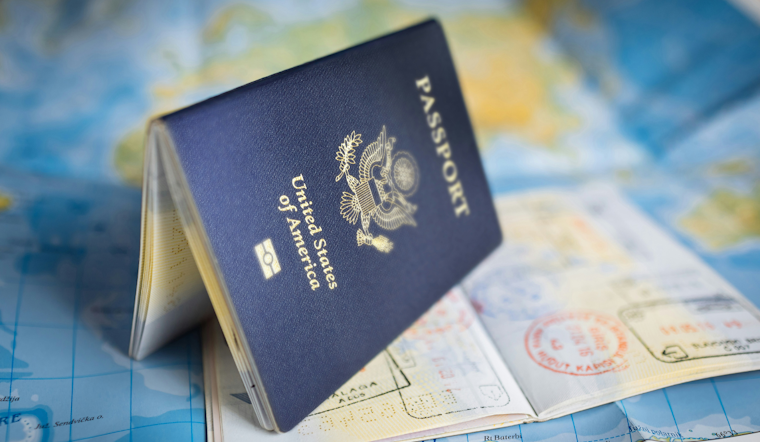
Faced with a fast-tightening immigration dragnet, a Bay Area family who aided Western forces in Afghanistan quietly packed up and left the United States this winter, convinced that staying could land them in detention or on a deportation list.
Habibullah Jafari, his wife Mursal Najibi, and their two young sons relocated to London in November after months of escalating anxiety over their legal footing. Jafari, a former captain in Afghanistan’s main intelligence agency, says he worked with U.S., U.K., and other coalition forces during the 20-year war and fled when the Taliban took Kabul in 2021. The family entered the United States in June 2024 on temporary humanitarian parole, found work, and began preparing asylum applications, but ultimately chose a British resettlement offer rather than risk being swept up in detention, according to the San Francisco Chronicle.
Backlash After the D.C. Shooting
Their decision came in the shadow of a political shock in Washington. In late November 2025, an Afghan man who had obtained asylum carried out a shooting near the White House that killed a National Guard member. The incident triggered a rapid policy response from the administration, which ordered sweeping reviews of asylum approvals and related visas and put many pending asylum decisions on hold. Refugees and immigration lawyers say those moves have supercharged fear among Afghan allies and others who backed U.S. forces, according to The Guardian.
Visa Pause Widens Uncertainty
That scrutiny escalated again in January. On Jan. 14, the State Department said it would suspend immigrant visa processing for nationals of 75 countries starting last Wednesday, describing the move as a new safeguard tied to the risk of future public-assistance use. The temporary halt, which covers both family- and employment-based immigrant visas across a wide list of nations, has thrown countless aspiring immigrants and their U.S. sponsors into limbo, according to reporting by the Associated Press.
UK Resettlement Offered a Way Out
For the Jafari family, a British lifeline changed everything. The United Kingdom offered relocation through its Afghan Relocations and Assistance Policy, a program that provides housing, caseworker support, and assistance with enrolling children in school and adults in health care during the resettlement period. The ARAP program stopped accepting new applicants on July 1, 2025. The family has been living in Uxbridge while they complete paperwork and search for jobs, per GOV.UK.
Backlog and Legal Strain
Behind their choice is a system already stretched to the breaking point. The immigration court backlog had surged to about 3.4 million pending cases by the end of September 2025, leaving many asylum seekers waiting years for answers. Data from the Transactional Records Access Clearinghouse highlight the sheer size of the queue, and advocates say new pauses and re-screenings are piling on pressure for understaffed legal-aid groups and nudging some people to seek safety outside the United States rather than sit through an endless wait, according to TRAC.
Legal Implications
Humanitarian parole and asylum can provide a buffer against immediate removal, but they are not a guaranteed path to permanent residency. Fresh administrative reviews and tougher vetting protocols can lead to detention, loss of parole, or the start of removal proceedings. Reporting in national outlets has tracked how cutbacks to resettlement support and expanded screening have meant fewer interviews and lengthy delays, heightening the risks for Afghans who helped U.S. missions and now must choose between a drawn-out legal fight in America and a potentially safer restart abroad, according to The Washington Post.
From London, the Jafaris say they feel relief at having stepped out of the American immigration crosshairs, tempered by grief over leaving friends and family in the Bay Area. Their departure captures a larger bind for wartime allies who once saw the United States as a final refuge: when protections shrink, and uncertainty grows, safety can mean walking away from the communities they had just begun to call home.





