

























































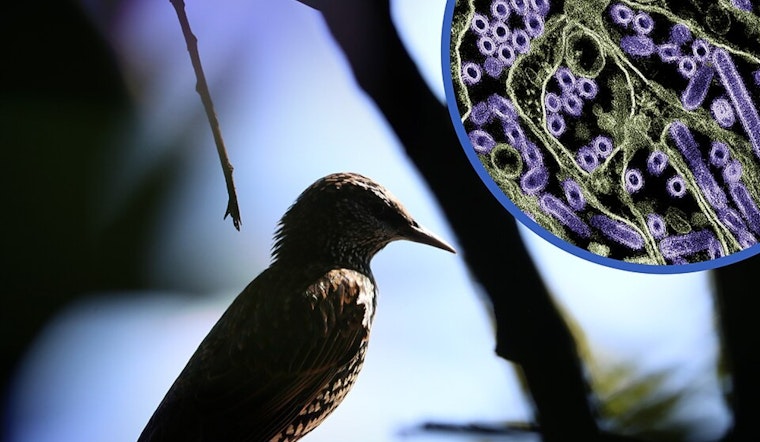
Bay Area scientists are sounding the alarm that a deadly bird flu strain that has already torn through seal colonies abroad could be headed for California’s northern elephant seals. The concern is not abstract: these massive animals pack tightly onto a handful of beaches and share a relatively low level of genetic diversity, a combination that researchers say could spell trouble if the virus shows up.
The warning surfaced in a recent Bay Area TV segment, where local marine biologists described ramped-up testing and surveillance at rookeries along the Central Coast. As reported by KPIX/CBS News, teams are closely tracking migration routes, monitoring strandings and widening screening efforts at marine mammal rehabilitation centers.
Why Scientists Are Worried
Researchers are looking south for a preview of what could happen. In South America, the H5N1 strain of avian influenza has ripped through sea lion and elephant seal colonies, killing thousands of animals in a matter of months. A genomic and epidemiological study published in Nature Communications found mutations consistent with mammal-to-mammal transmission, a red flag for northern populations that have not yet faced the same kind of outbreak.
Local Monitoring And Vaccine Trials
In response, veterinary teams in California have stepped up testing of stranded pinnipeds and launched small vaccine trials to see whether certain at-risk species might be protected before the virus appears in force. The Marine Mammal Center reports that northern elephant seals were included in early safety trials and that incoming patients are now routinely screened for H5N1.
At the same time, UC Davis scientists have documented how the virus is increasingly adapting to mammalian hosts, and note that the early vaccine trials, while small, are still valuable for understanding immune response and safety, according to UC Davis.
Risk To People And Pets
Federal public health agencies say that for now, the overall risk to the general public remains low. That does not mean people should get casual around sick wildlife. The CDC notes that highly pathogenic avian influenza A(H5N1) has already turned up in a range of mammal species worldwide and recommends avoiding direct contact with sick or dead animals, using personal protective equipment for responders and reporting unusual die-offs of wild animals.
Where Seals Haul Out And What To Do Locally
Northern elephant seals gather in huge numbers at a few well-known Central Coast rookeries, including Año Nuevo, Point Reyes and Piedras Blancas. Those shoulder-to-shoulder haul-outs might be great for wildlife viewing, but they could also supercharge viral spread if H5N1 arrives.
Park managers already limit access during the crowded breeding season and rely on docent-led tours to keep people at a safe distance. Visitors are urged to follow posted rules and to report, rather than approach, any sick or dead seals or other wildlife. For local rules, updates and contact information, see Point Reyes National Seashore and Año Nuevo State Park.
What Scientists Will Watch Next
Over the coming season, researchers plan to keep a close eye on winter bird migrations, trends in marine mammal strandings and any unusual illness among seals, while continuing increased testing at rehabilitation centers.
The Marine Mammal Center is asking the public to report, not touch, sick or dead marine mammals. The organization posts testing updates and detailed reporting instructions on its website, and anyone who encounters a distressed seal is urged to contact local stranding network authorities or the Center directly.



