

























































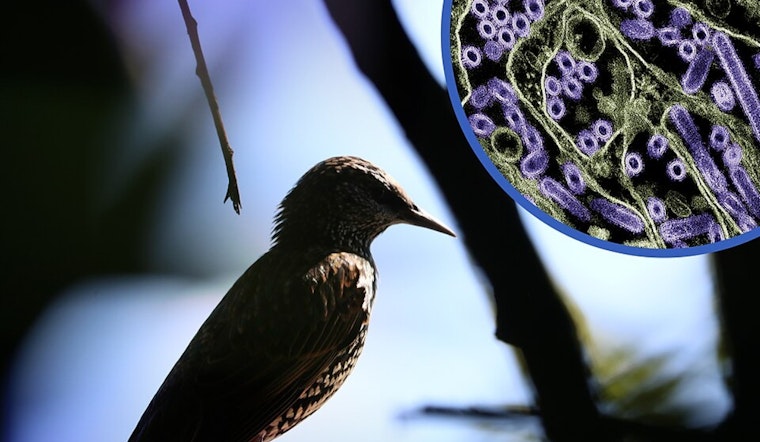
Colorado quietly flipped into disaster mode Thursday night, after a suspected bird flu outbreak at a massive Weld County egg operation pushed Lt. Gov. Dianne Primavera, temporarily acting as governor while Jared Polis was in Washington, D.C., to issue a verbal disaster declaration. The move puts the state’s emergency machinery on standby while state and federal teams work to confirm the virus and keep it from ripping through more poultry flocks.
According to the Colorado Governor's Office, the declaration activates the State Emergency Operations Plan and authorizes the Office of Emergency Management to mobilize personnel and supplies, use emergency purchasing rules, and tap disaster funds for containment and recovery. The office said the decision was coordinated with Gov. Polis while he was in Washington for Colorado River negotiations.
State agriculture officials told The Colorado Sun that Colorado State University lab tests returned a presumptive positive for highly pathogenic avian influenza at a commercial egg-laying operation in Weld County, and samples are now with the U.S. Department of Agriculture’s National Veterinary Services Laboratory for confirmation. “We’re working with a producer, getting ready for a response, but we will not do anything until we get that (national) confirmation,” Colorado Department of Agriculture spokeswoman Olga Robak told The Sun. CBS News Colorado recorded the announcement from the governor’s office.
Local reporting pegs the facility at roughly 1.3 million birds, according to Fox News, and officials say testing is still underway. Colorado has battled larger waves of highly pathogenic avian influenza in recent years, including widespread commercial outbreaks and a spillover into dairy herds in 2024 that led to mass culls, and the current response is built on that playbook, as detailed by the Colorado Department of Agriculture.
Public health risk and guidance
For people who are not working with animals, health experts say the immediate risk remains low. Still, state and federal officials are not taking chances with those in barns and on feedlots. The Colorado Department of Public Health and Environment is working with agriculture agencies to monitor workers at affected sites, distribute personal protective equipment to agricultural crews, and remind Coloradans to steer clear of sick or dead birds, as outlined by CDPHE.
What producers can expect
If federal labs confirm the virus, poultry producers can expect a familiar federal response. Animal and Plant Health Inspection Service teams typically handle depopulation and cleanup operations under joint state and federal oversight. According to USDA APHIS, indemnity and compensation programs are in place to cover birds and certain response costs, with affected producers assigned case managers who help document inventories and register for payments.
How to report and what residents should do
Backyard flock owners are being urged to tighten up biosecurity, limit visitors, and report any unusual illness or multiple bird deaths right away. Weld County’s CSU Extension office offers local reporting and testing guidance, and the Colorado Department of Agriculture maintains a statewide HPAI response page with hotlines and resources for owners and veterinarians. See Weld County CSU Extension and the CDA HPAI response page for reporting numbers and testing options.
State officials told reporters they expect federal confirmation in the coming days and will post situation report updates as the response develops. For now, the verbal disaster declaration gives Colorado’s emergency managers the authority to move fast if the U.S. Department of Agriculture confirms highly pathogenic avian influenza at the Weld County facility.




