

























































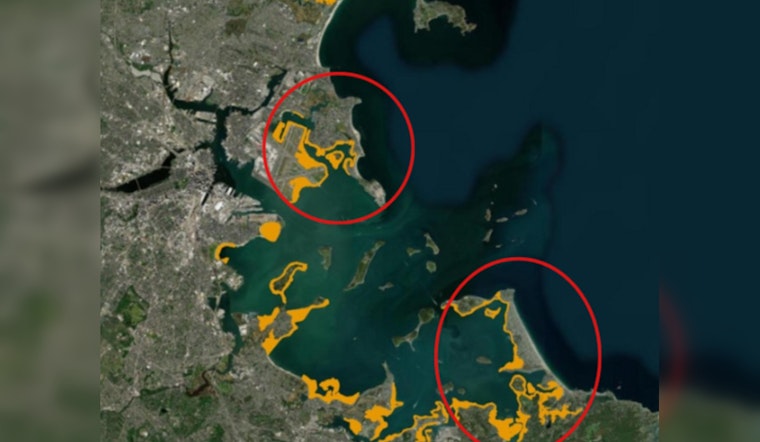
Big news for seafood lovers and local fishers alike, as Boston Harbor is set to experience a significant shift in its shellfishing classification for the first time in a century. Decades of pollution once rendered much of the harbor too contaminated for safe shellfishing, but a massive clean-up effort has turned the tide. According to a report by the Massachusetts Government, areas in Winthrop, Hingham, and Hull have met water quality standards to allow for direct human consumption of shellfish.
Historically, the only shellfish that could be harvested from Boston Harbor were softshell clams, which then had to undergo depuration to be deemed safe for consumers. This laborious process is not only costly, but also restricted access to a select few licensed commercial harvesters. With this change, the need for such stringent measures dissipates, and both commercial, and recreational fishers can directly partake in harvesting shellfish. This reclassification marks a win for local economies and the general public, granting direct access to this bountiful resource for personal use or sale.
The implementation of the new policy isn't instantaneous, though. Massachusetts, being a home-rule state, puts the power of managing clean water shellfishing into the hands of local cities and towns. Cities like Winthrop, Hingham, and Hull face the task of developing sustainable management plans, laying down enforceable rules and regulations, and hiring as well as training Shellfish Constables. An additional layer of complexity comes with the Conditional Area Management Plans (CAMPs), which are needed to manage temporary closures that may arise from rainfall, sewage spills, or other incidents affecting water quality.
Efforts to assist these towns are already underway, with DMF Shellfish Program staff having met with local officials to kickstart the extensive planning required. According to the Massachusetts Government's announcement, these areas are expected to open up to shellfishing in 2026, bringing with it a promise of bounty from the sea. Furthermore, the ability of shellfish to filter and accumulate contaminants has transformed this reclassification into an emblem of success for the harbor's clean-up efforts, signaling the possibility for even more re-openings in Greater Boston Harbor in the future.





