

























































The numbers tell a story no one wants to hear: opioid use during pregnancy has more than doubled in California over the past decade, with rates climbing from 0.14% in 2008 to 0.33% in 2020. This week's release of a comprehensive Oregon Health & Science University study analyzing over 5.5 million pregnancies confirms what healthcare providers have been witnessing firsthand—a hidden epidemic affecting California's most vulnerable residents.
The research, which drew from California's extensive hospital database through 2020, likely underestimates today's crisis. Since the study period ended, fentanyl has fundamentally transformed the drug landscape across the state. According to data from the California Overdose Surveillance Dashboard, the synthetic opioid's infiltration has accelerated dramatically, though recent months have shown the first signs of improvement in overall overdose deaths.
The crisis isn't abstract—it's playing out in Bay Area homes with devastating consequences. In November, a baby was rushed from a Treasure Island apartment after a reported fentanyl overdose, with fire crews carrying the infant out while police detained two people for questioning. Earlier this year in San Jose, two men faced murder charges in connection with the opioid overdose deaths of two children, Baby Phoenix and Baby Winter, whose parents had acquired opioids from dealer Philip Ortega.
San Francisco's Response: From Crisis to Care
In San Francisco, where the opioid crisis has hit particularly hard, innovative programs are working to break the cycle of shame and fear that keeps pregnant women from seeking help. Team Lily, operating out of Zuckerberg San Francisco General Hospital since 2018, represents a radical departure from traditional approaches that often traumatized new mothers and separated families.
"In 2018, the housing crisis was exploding. Fentanyl was coming to San Francisco," Dr. Dominika Seidman, Team Lily's co-founder and medical director, explained in materials from the Foundation for Opioid Response Efforts. "People were coming into labor and delivery, having a baby and having a horrible birth experience. People were withdrawing during labor. Right after birth, a social worker would come in and say, 'we're calling CPS,' and a person's baby would be removed from their room ridiculously quickly."
Team Lily flips that script. Instead of turning women away for being 15 minutes late, the clinic welcomes them even if they arrive at 4 p.m. They can see a pregnancy provider, mental health clinician, social worker, and access food assistance—all in one visit. The city's Perinatal Stabilization Program extends this support into the community, with nurses making home visits to ensure mothers and babies thrive long after delivery, as reported by the San Francisco Examiner.
The Hidden Toll on Newborns
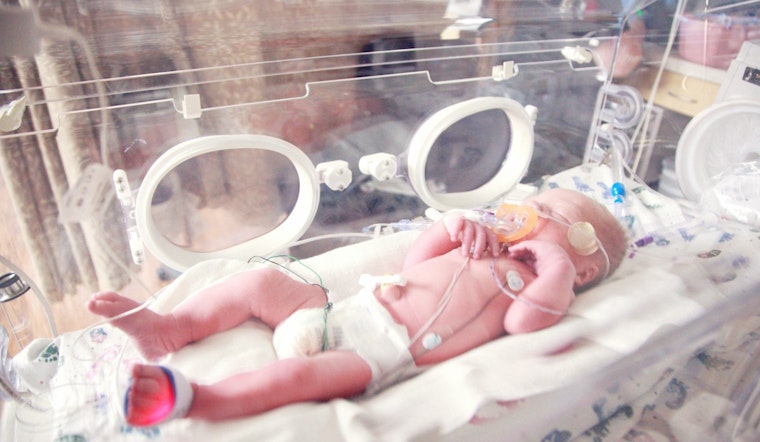
Behind every statistic lies a newborn experiencing withdrawal symptoms that can last weeks or even months. Neonatal Abstinence Syndrome (NAS) affects these babies from their first moments of life, causing tremors, excessive crying, feeding difficulties, and in severe cases, seizures. According to the OHSU research, infants exposed to opioids in utero face a 72% higher risk of death and are nearly three times more likely to require intensive care.
The long-term effects remain understudied, though healthcare providers warn of potential developmental delays, learning difficulties, and behavioral challenges that may not surface until children reach school age. California's Department of Public Health has prioritized education efforts, but advocates say more comprehensive support systems are desperately needed.
A Complex Web of Risk Factors
The OHSU study revealed stark disparities in who's most affected. Women with opioid-related diagnoses during pregnancy faced significantly higher rates of hypertensive disease, severe maternal complications, and the need for blood transfusions. These risks compound existing health inequities, particularly for Black and Indigenous families who already face disproportionate maternal mortality rates.
Dr. Kristin Prewitt, lead author of the study and fellow in OHSU's addiction medicine program, emphasized the access barriers these women face. "In Oregon, only one in four residential treatment programs offer care for pregnant persons, and some counties have no obstetric care or addiction care resources available at all," she noted. California faces similar challenges, with treatment deserts in rural areas and limited integrated care options even in urban centers.
Fentanyl's Game-Changing Impact
While the OHSU study captured data through 2020, the subsequent infiltration of fentanyl has fundamentally altered the landscape. Team Lily's Dr. Seidman described the shift as making treatment "much, much more challenging." Patients' opioid needs have become so high that traditional outpatient buprenorphine treatment often fails, forcing reliance on methadone programs or residential treatment—both requiring significant logistical coordination for women already facing transportation barriers, mental health challenges, and housing instability.
The crisis extends beyond pregnant women to affect the youngest members of the community. Santa Clara Valley Medical Center has developed a specialized program treating opioid-addicted teens and young adults, admitting patients 20 and younger for short inpatient stays to manage withdrawal and begin medication-assisted treatment. The program pairs sublingual buprenorphine/naloxone (Suboxone) with counseling and follow-up care, offering a lifeline to young people who often unknowingly became addicted to fentanyl-laced pills.
Recent data offers a glimmer of hope. According to federal statistics released this week, U.S. overdose deaths declined 27% in 2024, marking the largest one-year drop ever recorded. California has participated in this trend, though experts caution that the monthly death toll remains far above pre-pandemic levels.
Breaking Down Barriers to Treatment
The fear of losing custody remains the most significant barrier preventing pregnant women from seeking treatment. This creates a vicious cycle where avoiding prenatal care leads to worse outcomes for both mother and baby, often resulting in the very family separations women feared.
San Francisco's approach through Team Lily has shown promising results in keeping families together while addressing addiction. By building relationships with Child Protective Services and advocating for mothers willing to enter residential treatment with their babies, the program has helped shift the narrative from punishment to support.
Looking Forward: Policy and Prevention
As California grapples with this crisis, experts emphasize the need for comprehensive, wraparound care that addresses addiction alongside prenatal and postnatal needs. The OHSU researchers call for integration of addiction medicine, obstetrics, primary care, and pediatric services—a model that remains rare even in well-resourced areas.
Yet even when funding exists, implementation faces obstacles. In Sonoma County, nearly $3.9 million in opioid settlement dollars for sober-living homes has stalled amid contract disputes between county officials and developers. The Gallaher group claims new deed restrictions and subordination clauses make borrowing "impossible," threatening plans for four sober-living houses with 68 beds—desperately needed infrastructure as the county loses roughly a dozen residents monthly to overdoses.
Dr. Jamie Lo, senior author of the OHSU study, remains cautiously optimistic about the potential for change. "That's how we can really turn this conversation around and start to see some of those numbers that are rising turn the other way," she told reporters, pointing to successful perinatal addiction programs as proof that outcomes can improve when medical systems invest in comprehensive care.
The stakes couldn't be higher. With estimates suggesting one newborn diagnosed with NAS every 25 minutes nationwide, California's response to this crisis will determine the fate of thousands of families. As the tragic cases of Baby Phoenix, Baby Winter, and the Treasure Island infant demonstrate, the consequences of inaction are measured not in statistics but in lives—some barely begun—cut devastatingly short.
For pregnant women struggling with substance use in San Francisco, Team Lily offers walk-in appointments and comprehensive support. Referrals and questions can be directed to Rebecca Schwartz at 415-802-7615 or [email protected]. The SAMHSA National Helpline (1-800-662-HELP) provides 24/7 treatment referral and information services nationwide.




