

























































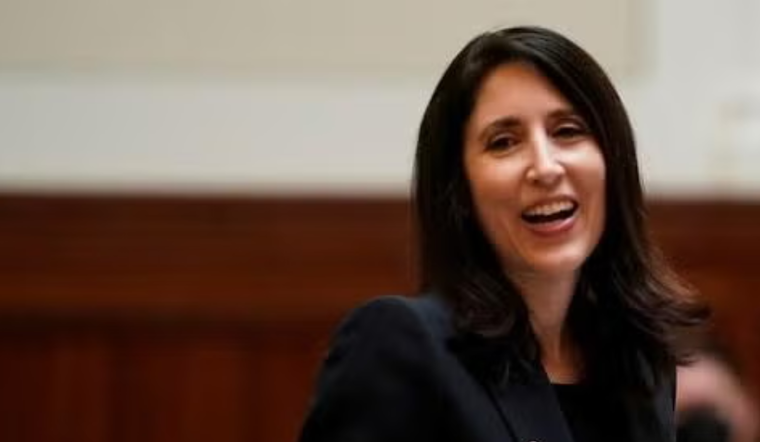
California’s top judge is not waiting on the sidelines as immigration arrests creep closer to the courthouse steps. On Thursday, Chief Justice Patricia Guerrero said she has ordered a more systematic effort to track federal immigration enforcement at state courthouses after a string of recent arrests, arguing that the activity is scaring off witnesses, litigants, and victims who need to feel safe walking into court.
Guerrero orders statewide monitoring
Guerrero’s office has logged incidents at 17 superior courthouses so far, with the Superior Court of Shasta County reporting the most activity, and she said the information is being shared with the attorney general’s office to guide possible next steps, according to CalMatters. The chief justice warned that the pattern risks “chilling effects” that could keep people from taking part in court proceedings. She described the monitoring as basic groundwork so the Judicial Council and state officials can evaluate potential remedies and guidance.
Legal backdrop and what courts can do
State law already prohibits civil arrests inside courthouses while a person is attending a proceeding, a protection written into Civil Code 43.54. In an earlier statement, the Judicial Branch said the chief justice is "deeply concerned" about enforcement actions at courthouses and reiterated that courts must remain open and accessible to all, a position reflected in the branch’s public comments. For the statutory rule against civil arrests, see the state code text on Justia and the courts’ statement on the issue.
Judicial Council to consider formal data collection
Guerrero said the Judicial Council has been closely watching courthouse incidents and will take up a proposal at its April 24 meeting to formalize data collection, a move that would require trial courts to regularly report details about civil arrests in and around superior courthouses, CalMatters reports. The Trial Court Presiding Judges Advisory Committee and the Court Executives Advisory Committee wrote that standardized reporting would help the state assess how access to justice is being affected across California. Guerrero pointed to remote hearings, greater education on the legal authority of courts, and referrals to remedies as immediate steps courts can take to limit harm.
Lawmakers file bills to shield court users
At the Capitol, state senators are already making backup plans. Sen. Eloise Gómez Reyes introduced SB 873 to rein in unannounced courthouse arrests, and Sen. Susan Rubio filed SB 882 to allow remote appearances for most hearings through January 2029, according to press releases from each senator’s office. Reyes’ release says SB 873 would curb “unannounced and indiscriminate” arrests at scheduled court appearances, while Rubio’s bill, the Keep Courts Safe from ICE Act, is framed as a safety measure that would allow parties and witnesses to participate without fear.
Why this matters locally
Courthouse arrests became a flashpoint after federal policy shifts this year that permitted enforcement inside or near courthouses, and in December, a federal judge blocked sweeping civil arrests at immigration courts in Northern California, a ruling that underscored the tension between federal enforcement and access to proceedings, as reported by the Los Angeles Times. Immigrant-rights groups have held rallies and urged people to keep their court dates despite the arrests, the Associated Press reported, saying advocates worry that targeted operations could prompt people to skip hearings and end up ordered removed in absentia.
What to watch next
In the near term, all eyes are on the Judicial Council’s April 24 meeting on the reporting proposal and the first committee hearings on SB 873 and SB 882 as they start their path through the Legislature. If the tracking plan is adopted, the state could gain a far clearer view of where enforcement is occurring, information that could shape legal strategy and new legislation aimed at keeping courthouse doors open to all Californians.




