

























































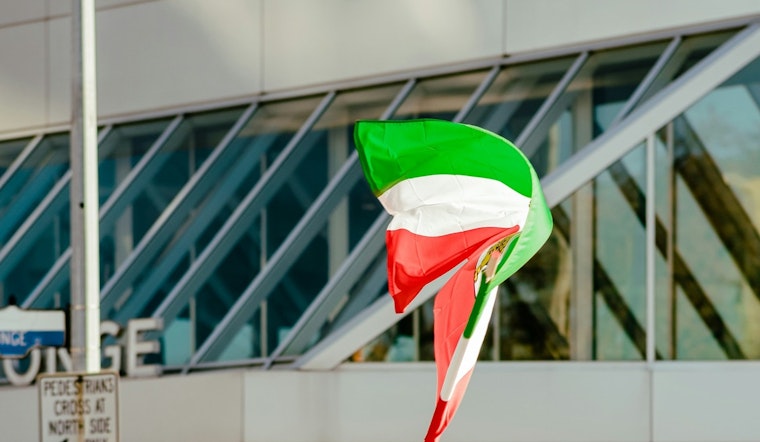
Dozens of Chicagoans with roots or family in Iran bundled up on a frigid Saturday night and took over the Loop, marching, chanting, and then standing in candlelit silence for those killed in the crackdown overseas. The demonstration, one of many held in cities around the world, blended raw grief with pointed calls for more international pressure on Tehran. For many in the crowd, the rally felt less like a distant political statement and more like a personal emergency, as they described being cut off from loved ones back home.
Marchers moved from Congress Plaza to Federal Plaza, where they lit candles and listened to speakers call for accountability and an end to the Islamic Republic's rule, according to CBS Chicago. Organizers cast the event as part of a Global Day of Action ahead of the Feb. 11 anniversary of the 1979 revolution. In the bitter cold, the group cycled through brief speeches and stretches of silence, trying to cut through the noise of downtown nightlife with warnings about reports of large-scale violence in Iran.
"It's, um, seven days that I couldn't hear from my family, from any of my friends," attendee Moba Rakeh told the crowd, saying she had "heard numbers like 12,000" killed in some reports, according to CBS Chicago. Another marcher, Tirdad Kiamanesh, described similar silence from relatives in Iran and said he hoped public pressure on the streets of cities like Chicago would push the international community to act. Demonstrators repeatedly tied their local march to a global demand for basic human rights, freedom, and dignity for people inside Iran.
Supreme Leader Acknowledges High Death Toll
In Tehran, Ayatollah Ali Khamenei publicly acknowledged that "several thousand" people had died during the recent unrest and blamed foreign powers, singling out the United States and Israel, for fueling the violence, according to reporting by AP. State media aired footage it said showed armed saboteurs blended into crowds of protesters, a storyline Iranian authorities have long used to justify security forces' heavy response. Khamenei's remarks marked the first time the country's top authority openly conceded the scale of the casualties.
Rights Groups Say Evidence Shows Mass Killings
Independent monitors and human-rights organizations say the emerging record from videos, hospital accounts, and other evidence points to widespread unlawful killings and mass arrests during the crackdown. Amnesty International has urged the U.N. to convene a special session and has described the pattern of killings as unprecedented, while Human Rights Watch says it has documented evidence consistent with mass, countrywide killings. Verified death tolls differ from group to group, and many rights advocates say the communications blackout inside Iran has made fully confirmed counts nearly impossible.
U.S. Reaction And Rhetoric
On the diplomatic front, President Donald Trump told POLITICO "it's time to look for new leadership in Iran," comments that have further ramped up tensions and were reported by AP. He had previously urged Iranians to keep protesting and hinted that help might be on the way, remarks that Tehran's leaders have seized on as proof that the unrest is foreign-backed. The back-and-forth accusations have complicated how other governments respond, even as rights groups keep pressing for clear paths to accountability.
What Chicago Demonstrators Want
In the Loop, speakers and attendees laid out a set of demands: independent investigations into the killings, protections for detainees and sustained global pressure to block further executions. Organizers described the Chicago gathering as one small piece of broader diaspora efforts to force transparency and save lives, even as information from inside Iran arrives in fragments, if at all. For many in the crowd, showing up in the cold was a way to mourn in public and to keep attention fixed on families still waiting for word about who has survived, who has been taken and who is never coming home.



