

























































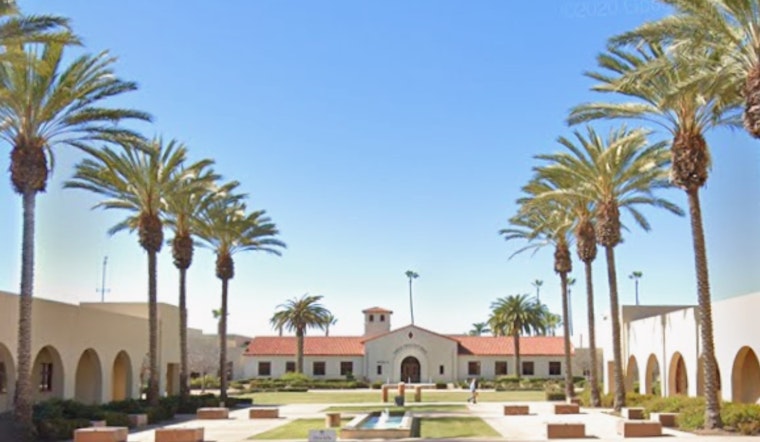
Chula Vista is angling for its own slice of Hollywood, turning the top floors of the new Millenia Library into a production hub and eyeing virtual-production sound stages across the street. Supporters say a wave of fresh state tax credits, plus potential local incentives, could make shooting in Otay Ranch pencil out for TV and film outfits that have been drifting away from Los Angeles. The plan bundles co-working edit bays, podcast rooms and full-size stages into a single creative campus designed to keep crews, payrolls and production dollars in San Diego County.
City signs off on space and stages
The Chula Vista City Council has signed off on a letter of intent to lease roughly 75,000 square feet on the top floors of the Millenia Library and to grant the developer an option on a neighboring lot for large sound stages, according to the City of Chula Vista. City documents and officials say Phase 1 centers on post-production, podcast and photography studios, while Phase 2 could add an approximately 89,600-square-foot virtual-production campus on about five acres across the way. Projections from the city peg the project at hundreds of jobs and more than a half-billion dollars in economic activity over the next decade.
How the tax credits change the math
California has expanded its Film & Television Tax Credit Program and bumped the base credit up to 35 percent, a move the governor’s office frames as a way to keep production in-state and jump-start projects outside the usual hubs. The Governor's Office and local reporting note that additional out-of-zone bonuses, along with a draft bill in Sacramento, could stack extra incentives for shoots outside Los Angeles, which supporters say can push total credits into the low 40 percent range. As Voice of San Diego reported, advocates behind AB 1138 have pushed for bigger set-asides for independent productions and bonuses that specifically reward non-L.A. locations.
Who’s building it and who’s signed on
The complex is being driven by the Chula Vista Entertainment Complex, a local-led coalition that aims to install edit bays, Dolby mixing rooms, audio suites and rentable creative offices inside the library, then follow with LED-equipped sound stages on the lot across the street. Commercial reporting says the group has already lined up production partner Buffalo 8 to start using the Millenia space, and that the property at 1775 Millenia Ave. is being positioned as a new South Bay production campus, according to earlier local coverage from Hoodline.
Money, who’s paying, and county incentives
Developers say private investors will fund the buildout, and project founder Aaron Roberts has pegged the early phases of the venture at roughly $50 million to $80 million, according to reporting by the San Diego Union-Tribune. The city and project backers argue that the financing pencils out once state credits and local incentives are layered on top, and county leaders are described as finalizing a separate San Diego County incentive package and a centralized county film office to promote the region, per that reporting. Supporters say that mix of private capital and stacked credits is what it takes to compete for productions that have historically gone elsewhere.
When crews could arrive
Organizers are telling industry partners that creative offices and rental studios inside the Millenia building could be open in 2026, with full virtual-production stages following as the second phase is built out on the adjacent lot over the next few years. Commercial outlets report that Buffalo 8 is expected to be first in line to use the repurposed library space, and local reporting says sets and edit bays could be ready for smaller projects as soon as next year, per iNewsSource.
What critics and boosters say
Supporters argue the complex will open training pipelines and create local jobs, with lawmakers such as Assemblymember David Alvarez describing tax incentives as a way to set the stage for long-term investment and a broader statewide creative economy, according to Voice of San Diego. Skeptics counter that rich tax credits are a risky bet when state budgets are tight, and warn that rival regions could answer by hiking their own incentives, a concern highlighted by CalMatters. For now, Chula Vista’s strategy is simple enough: stack the credits, build the stages and see if the productions actually roll south.





