

























































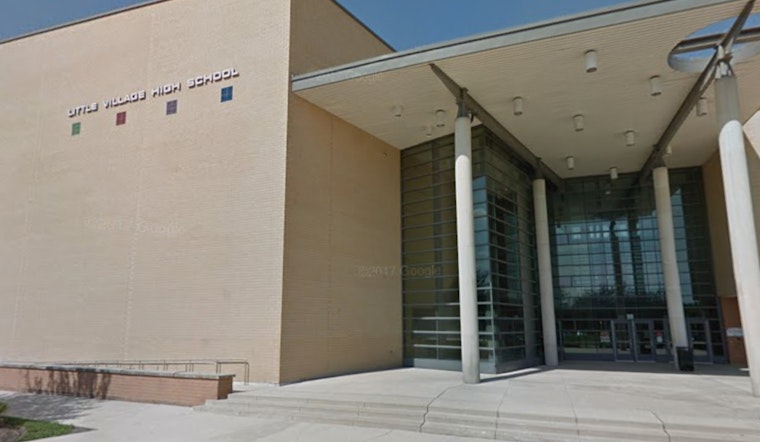
A new annual report from the Chicago Public Schools Office of the Inspector General lays out a yearslong pattern of sexual misconduct at the Little Village Lawndale High School campus, detailing how multiple teachers and staff groomed and pursued students and recent graduates both online and in person. The findings show the problem went well beyond one high-profile case and describe a 2010s campus culture in which professional boundaries were routinely blurred.
What the watchdog found
The report identifies eight teachers and staff members at the shared Little Village Lawndale campus who targeted students and, in some cases, continued inappropriate contact after those students graduated. Investigators say one Infinity Math, Science and Technology teacher ran a legal clinic, cast himself as a protector of girls, then privately messaged more than a dozen recent graduates with sexual content and had sex with at least four of them. Inspector General Philip Wagenknecht said the office found that “professional boundaries between staff members and students were blurred,” according to Chalkbeat.
District response and settlement
Chicago Public Schools told the board it has expanded its ban on social media and other nonacademic contact so that it now covers former students for one year after they leave a school, and the district says it has provided additional staff training at the Little Village campus. In December, the Chicago Board of Education approved a roughly $17.5 million settlement with a former student who sued over abuse by a former dean. That dean was convicted and later sentenced to 22 years in prison, matters covered in local reporting and reflected in the district’s recent public statements; details of the settlement, district response and criminal case were later reported by local outlets, including the former dean's 22-year sentence.
Scope of the watchdog’s investigations
The inspector general’s Sexual Allegations Unit reported that in fiscal year 2025, it closed 335 cases and issued 55 substantiated reports, while opening 246 new cases in the same period. The OIG’s annual accounting and its review of the Little Village Lawndale campus found that most of the misconduct it documented occurred before CPS tightened oversight in 2018, with incidents peaking around 2015 and 2016. Investigators said that looser oversight during those years made it easier for boundary-crossing behavior to go unnoticed, according to Chalkbeat.
Legal thresholds and enforcement
Even with detailed allegations, criminal remedies are constrained by state law. Illinois’ grooming statute defines a “child” as a person under 17, and the specific elements of offenses such as grooming or sexual assault determine whether conduct can be pursued criminally. The mix of those statutory thresholds, the evidence available to investigators and delays that can stretch for years between the conduct and a report meant that some former students who went to the police did not see criminal charges filed. That dynamic has been noted in public reporting and is reflected in the state code at the Illinois General Assembly and in earlier investigations by NBC Chicago.
What comes next
CPS leaders say the district is committed to preventing misconduct and to improving training, reporting and oversight at the Little Village campus, and they note that the OIG’s findings have already prompted additional staff training and policy changes. All employees identified in the report had either left CPS or resigned during inquiries, and the district has placed rehiring bans in their personnel files and reported licensed staff to the state, according to WBEZ. Survivors’ advocates and community members told local reporters that while the report is an important step, faster investigations and clearer accountability are still needed if the district hopes to rebuild trust.





