

























































A Dallas cancer testing boss who once pitched cutting-edge blood screening technology is now facing a very different spotlight, as federal regulators accuse him of siphoning off millions that investors thought were going into lifesaving science.
The Securities and Exchange Commission has filed a civil complaint accusing 47-year-old CEO Sumit Rai and several companies he controls of making false statements to investors and misusing at least $10.6 million. The case, filed this month in federal court in Massachusetts, names Dallas-based Cancer Check Labs as a relief defendant.
SEC Lays Out Where Investor Cash Allegedly Went
According to the SEC complaint, Rai and his companies raised more than $26 million from roughly 180 investors, then restructured those investments into new notes that ultimately consolidated under an entity called Onco Filtration.
The agency alleges the defendants misappropriated at least $10.6 million, including roughly $5.1 million in cash withdrawals, about $2.3 million paid toward Rai’s personal credit card debt, roughly $1 million to cover associates’ debts, and about $850,000 spent on luxury vehicles. The complaint says investors were repeatedly told their money would be used to develop a device to filter circulating tumor cells, while a substantial portion of the funds was diverted to other uses.
How The Cancer Test Business Fits In
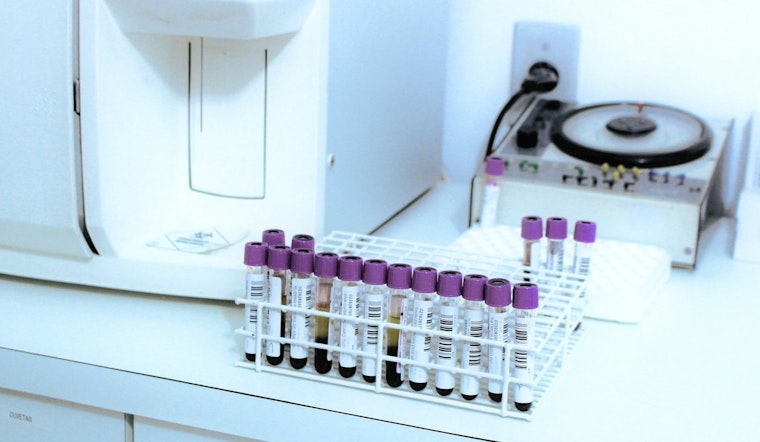
Cancer Check Labs, headquartered in Dallas' Medical District, has marketed a liquid biopsy-style blood test that company leaders have said can isolate intact circulating tumor cells and screen for hundreds of cancers. As reported by D Magazine, the firm advertised a national footprint and direct-to-provider offerings as it expanded beyond North Texas.
That commercial push is central to the SEC’s allegations, because the complaint says some revenues and rights associated with the business flowed through entities that benefited Rai personally rather than investors.
What The SEC Wants The Court To Do
The SEC is asking the court for disgorgement with prejudgment interest, civil penalties, officer and director bars and an injunction to prevent the defendants from engaging in the conduct described in the complaint. According to the SEC filing, the agency also seeks disgorgement from Cancer Check as a relief defendant and a prohibition on Rai participating in most securities transactions if the court grants the requested relief.
Those remedies would be civil and could include long-term limits on Rai’s ability to run or fund other ventures if they are ultimately imposed.
Case Details And What Comes Next
The SEC filed its complaint on Jan. 15 in U.S. District Court for the District of Massachusetts, where the matter is docketed as 1:26 cv 10159. Justia records confirm the filing and assignment.
Industry coverage and filings reviewed by Altswire say investors were induced to exchange earlier convertible notes for nonconvertible Onco notes that the complaint alleges now carry a face value in excess of $210 million, with no payments reported through at least August 2025.
Rai and his lawyers will be able to contest the SEC’s allegations in court, and the outcome will determine whether investors recover funds through civil remedies. For now, the filing throws a legal cloud over a Dallas company that until recently presented itself as a promising new player in early cancer detection.




