

























































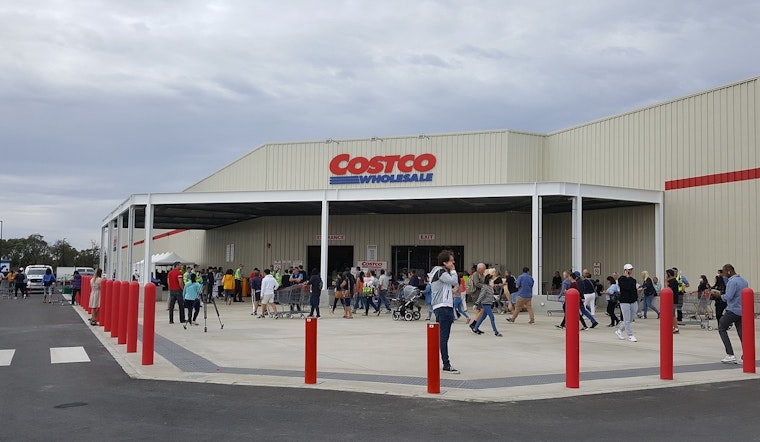
Residents of Des Plaines and Orland Park have recently voiced concerns over proposed commercial developments, as officials seek to expand local business offerings. As reported by ABC7 Chicago, the Des Plaines City Council has voted in favor of a proposal for a new Costco Business Center and gas station on Devon Avenue, with the final vote scheduled for January 20th. Meanwhile, a sizable Amazon retail center is stirring debate in Orland Park, and as detailed by WGN-TV, residents worry about potential traffic and lifestyle changes.
Some in Des Plaines worry about the environmental and health impacts that might accompany the new Costco development. Voicing their fears to the Daily Herald, residents are concerned about gasoline fumes and car exhaust affecting health. Telling ABC7 news partner that the final council decision could see construction starting late this year. The only other Costco Business Center in the Chicago area is located in Bedford Park and integrates a similar gas station within its premises.
In Orland Park, the public expressed their concerns at a Village Plan Commission meeting regarding the vast Amazon facility slated for construction on a 35-acre land parcel near LaGrange Road and 159th Street. Talking before the meeting, Orland Park resident Carol McGury raised a fundamental question on behalf of the community: "What is it?" she asked. And then articulated the trade-off, "And yes, there’s great revenue that’s going to come with it, but at what cost?"
Concerning the Amazon project, a traffic study has been proposed to alleviate expected congestion, suggesting added turn lanes and a bypass from Ravinia Avenue. Orland Park Mayor Jim Dodge extolled the project's potential benefits, citing improvements to local schools, fire districts, and overall budget impacts from increased tax revenue. Asserting that the project is aligned with long-term area goals, Dodge told WGN-TV that it's a "desirable use," as the proposal is up for village board approval on January 19th.
As both projects approach final decisions, residents affected by the outcomes continue to seek clarity on how these developments will reshape their neighborhoods. The concerns stem from the familiar tension between economic gain and quality of life ― a tale written time and again across America's suburban landscapes.





.jpg)