

























































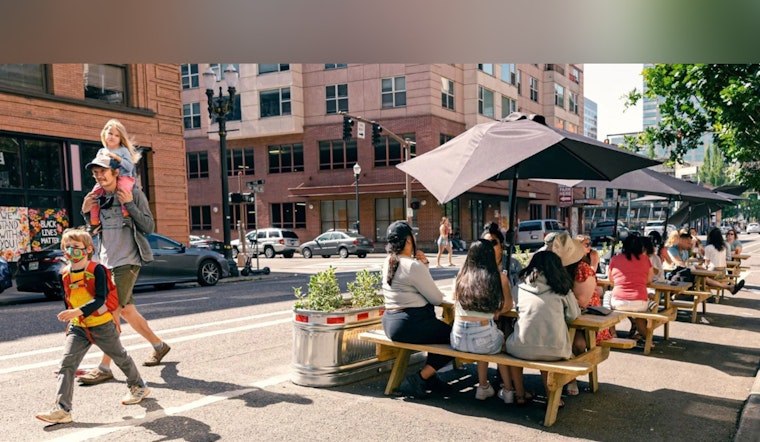
Portland is teeing up a major rewrite of the rules that govern its core, with a new Discussion Draft that would loosen Central City zoning to spur housing construction, support retail and light manufacturing, and free up rooftops for a mix of eco-roofs and solar panels. The draft, released this month, is open for public comment through Feb. 13 and kicks off a review process that could reshape chunks of downtown over the rest of 2026. City officials say the aim is to tackle post-pandemic vacancies and unlock projects that deliver larger, family-sized homes alongside livelier street-level spaces.
Discussion draft, comment period and public events
The Bureau of Planning and Sustainability has posted the Discussion Draft and is taking written comments through Feb. 13, with feedback also gathered through the project’s Map App, online info sessions, and an in person open house, according to the Bureau of Planning and Sustainability. Staff say they will use what they hear from the public to shape a more detailed Proposed Draft in March and get ready for Planning Commission review in April.
Major changes on the table
The Discussion Draft lays out roughly 18 potential code tweaks that BPS staff say are designed to jump-start housing production and help revive the Central City. The ideas include allowing taller buildings in parts of downtown, adding floor-area-ratio bonuses to reward projects that provide more multi-bedroom units, rezoning some employment areas to allow housing, and widening commercial allowances to cover light manufacturing, according to DJC Oregon. The package also looks at dropping bans on housing in portions of Central Employment zones and giving developers more leeway to keep or add temporary surface parking while sites are being readied for redevelopment.
Food carts, eco roofs and the ground floor debate
Senior city planner Troy Doss told DJC Oregon that under current rules food carts are treated like vehicles and are basically confined to parking lots. “They can only be in vehicle areas,” he said, and staff are now floating changes that would open up more locations for carts and pods across the city. BPS is also recommending that the Central City’s 60 percent eco-roof coverage rule be adjusted so rooftops can combine eco-roofs with solar panels instead of choosing one or the other. During early commission discussions, Commissioner Zari Santner warned that easing restrictions on ground-floor housing could sap energy from the street by displacing active uses, while Commissioner Tina Bué argued that any housing changes should be paired with more retail and health-care options at street level. Those points of tension are likely to drive how the final package balances new homes with neighborhood livability and ground-floor activity.
Next steps and timeline
BPS plans to bundle public feedback into a Proposed Draft in March, followed by Planning Commission hearings in April and a recommended draft heading to City Council in late summer or early fall, with a final decision anticipated by the end of 2026, according to the City of Portland. The Design Commission scheduled its own discussions for late January and early February and will send a letter with its ideas to the Planning Commission and City Council to help shape staff recommendations.
Why it matters
The overhaul is aimed at clearing zoning hurdles that have constrained downtown housing and at nudging developers to build larger, family-sized units that the Central City has historically under-produced. How Portland chooses to juggle ground-floor activity, park and open-space use, food-cart opportunities and sustainability rules will determine whether the code changes spark a broader downtown revival or mostly shuffle existing uses around. For now, this Discussion Draft and the current comment window are setting the boundaries for a more detailed proposal expected later this spring.





