

























































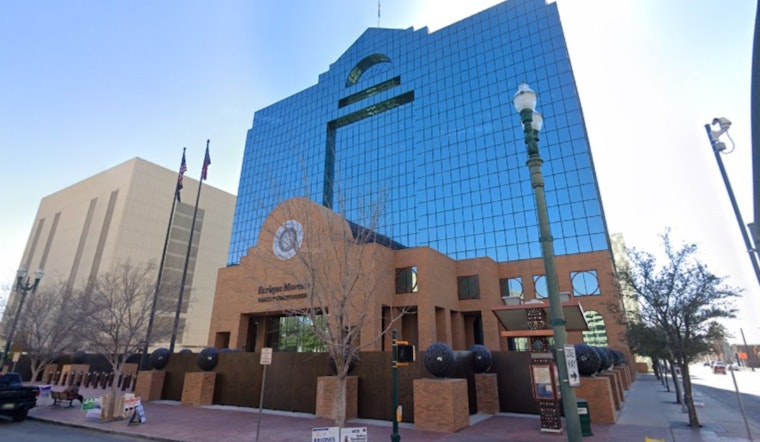
An El Paso district judge is under fire after a December court filing accused her of treating migrant children in her courtroom with what one attorney called a “pattern and practice of cruelty.” The motion, submitted Dec. 17 by an attorney for the nonprofit Estrella del Paso, targets 388th District Judge Marlene Gonzalez and says the behavior began in 2021 and grew more frequent over time. The filing leans on affidavits from lawyers and social service providers who describe shaming and hostile questioning of teens who arrived in the United States alone. Gonzalez signed a voluntary recusal from the specific case at issue on Jan. 7, according to court records.
Recusal Motion Details Alleged Pattern in Juvenile Case
The recusal request, filed by Estrella del Paso attorney Jacob Wedemeyer, asks that Judge Gonzalez be removed from a Special Immigrant Juvenile, or SIJ, case involving an unaccompanied child. In the motion, Wedemeyer describes what he says is repeated conduct toward unaccompanied noncitizen children in Gonzalez’s courtroom.
The filing attaches affidavits and specific courtroom examples. Attorneys say Gonzalez asked a 17-year-old if coming to the United States was “a free-for-all,” accused children of “abandoning their parents,” and scolded a 16-year-old trafficking victim “not to engage in prostitution,” among other alleged comments that advocates say miss the trauma these teens have already endured. Those details were compiled by the nonprofit’s legal team and reported by the El Paso Herald Post.
Former Bailiff Says Panic Button Use Was Not an Emergency
The controversy around Gonzalez is unfolding alongside a separate incident that has raised eyebrows inside the courthouse. Last spring, a panic-button alarm went off in her courtroom. Former bailiff Roy Davis told local reporters that Gonzalez was the one who activated the alarm and that he filed an incident report afterward. Davis said he was fired nine days later and has since taken legal action over what he describes as wrongful termination.
Davis gave an on-the-record account of the May 22 alarm and its aftermath to television reporters, insisting it was not a true emergency. CBS4 reported on Davis’s interview and his claims about the incident.
Why These SIJ Rulings Are a Big Deal
The motion zeroes in on a particular type of state court finding that can shape a child’s entire future in the United States. For unaccompanied minors, a Special Immigrant Juvenile classification can be a crucial step on the path to lawful permanent residence. To get there, federal rules require a juvenile court to find that reunification with one or both parents is not viable because of abuse, neglect, or abandonment and that sending the child back to their home country would not be in their best interest.
Those findings are at the heart of SIJ petitions, and federal immigration authorities typically rely on what state judges decide. Estrella del Paso, the nonprofit behind the motion, says it provides free legal services to hundreds or even thousands of unaccompanied children in the region and gathered the courtroom examples that appear in the filing. For more on how SIJ cases are supposed to work, see guidance from USCIS and background on the nonprofit from Estrella del Paso.
Concerns Over Language, Bias and Indigenous Kids in Court
The recusal motion also flags how Gonzalez allegedly handled children who speak Mayan languages. According to the filing, the judge at times referred to those languages as “dialects” instead of distinct languages, a habit that linguists and advocates say can marginalize Indigenous speakers and lead to the wrong kind of interpreter being brought into court.
Experts note that there are more than 20 separate Mayan languages, and lumping them together or labeling them as mere dialects can make it harder for a child to explain what happened to them. In a legal setting, that is not just a vocabulary issue; it can change the facts that the court hears. Reporting and language explainers from outlets such as WLRN and organizations like MayaBridge underline why getting the language right is especially important when a child’s safety and status are on the line.
What Comes Next for the Judge and the Cases
Gonzalez’s voluntary recusal from the Wedemeyer SIJ case on Jan. 7 adds one more entry to what attorneys describe as a series of recusals and complaints tied to her courtroom in recent years. Meanwhile, the former bailiff’s lawsuit is still active and was reported to have a hearing set on the court’s calendar, although local coverage notes that no public outcome had been posted as of the latest reports.
Reporters trying to track the fallout say they requested comment from Judge Gonzalez and had not received a response at the time their stories went to press. For a closer look at the filings and timeline, see local reporting in the El Paso Herald Post.
Legal Implications
Recusals, workplace lawsuits, and allegations of bias do more than generate headlines. They can slow or reshape SIJ cases that depend on state court findings, which federal immigration officials usually defer to when deciding whether a child qualifies for relief. For unaccompanied minors and the lawyers representing them, the stakes are immediate and concrete: a change in judge or a delay in hearings can determine whether a child secures the state court orders needed for immigration protection.
Separate from the fate of any one case, complaints about courtroom conduct can also spin off into administrative reviews or civil litigation that run alongside the underlying SIJ proceedings. For the children at the center of these files, that legal turbulence can affect where they live, whether they are safe, and whether they get to stay in the country at all.





