

























































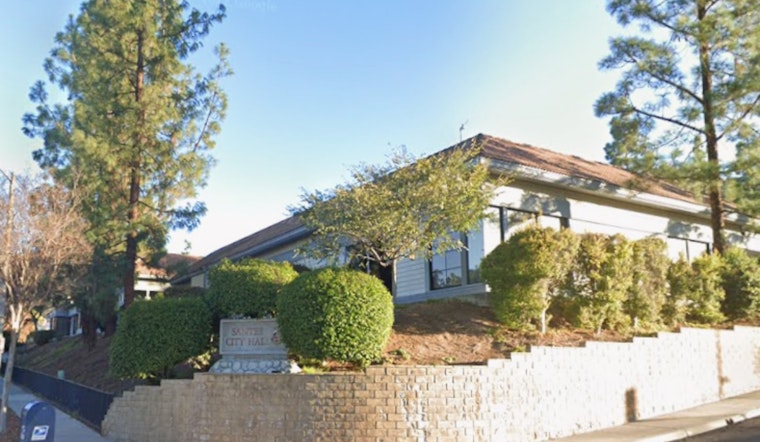
Santee just landed a $7.2 million FEMA grant to clear brush and cut wildfire danger along the San Diego River corridor, city officials say. The work will zero in on river stretches where the channel presses up against backyards and thick vegetation, and city leaders estimate the full effort, from planning to major clearing, will run at least 18 months. While the city grinds through that planning and permitting, Mayor John Minto and staff are urging homeowners to trim hazardous vegetation on their own properties.
Federal money, local red tape
The award is a Hazard Mitigation Grant designed to pay for defensible-space clearing and hazardous fuels reduction in Santee’s river corridor, according to the city. The City of Santee notes the grant also covers environmental studies, and federal rules require Environmental Planning and Historic Preservation reviews before FEMA dollars can be spent on work like this. FEMA lays out those EHP requirements and the need for consultations on wetlands, floodplains and protected species.
Who is doing the work and how long it will take
City officials say they are working with environmental consultant Dudek on the required studies, and the eventual clearing plan will have to be coordinated across fire departments, state and federal agencies and private property owners. As reported by The San Diego Union-Tribune, City Manager Wendy Kaserman said Santee received formal notice of the award in fall 2025. To keep the project moving, the city has already filled a part-time project-manager position dedicated to shepherding HMGP deliverables and homeowner outreach as planning shifts toward procurement.
Habitat protections will limit where crews can work
Mayor John Minto has cautioned that a portion of the riverbed is protected wildlife, a constraint that will shape where heavy clearing is allowed. The San Diego Union-Tribune reported the mayor’s comment, and federal protections for species such as the Hermes copper butterfly, whose critical-habitat units include Miramar/Santee, mean the work may come with extra mitigation or seasonal limits. The U.S. Fish and Wildlife Service and other agencies routinely require surveys and consultation when federal funds are involved, so project plans will need to spell out how crews will avoid sensitive nesting and habitat areas.
What residents should expect
Homeowners along the river can expect more outreach, official notices and nudges to clear defensible space as the city prepares contracts and maps out work zones. The city’s emergency-readiness pages outline homeowner education and coordinated abatement efforts, and crews will have to balance public-safety goals with habitat protections wherever permits require it. In the meantime, volunteers and partners like the San Diego River Park Foundation are expected to keep up cleanup and monitoring efforts between larger contractor operations.
Legal and environmental rules to watch
Because the project relies on federal HMGP money, it must satisfy FEMA’s Environmental Planning and Historic Preservation requirements and could trigger review under NEPA, which adds time and requires consultation on floodplains, wetlands, cultural resources and endangered species. Guidance from FEMA and the U.S. Fish and Wildlife Service’s critical-habitat rules will shape mitigation steps and seasonal restrictions for work in the river’s most sensitive reaches.
Officials say the grant gives Santee a rare shot at cutting riverbed fire risk while threading the needle on habitat protections and permitting requirements. Residents are being urged to watch for project maps, outreach events and permitting notices as the studies wrap up. For updates and volunteer cleanup schedules, keep an eye on the San Diego River Park Foundation and the city’s project pages.
Editor's note: This article has been updated to correct project timeline and staffing status.





