

























































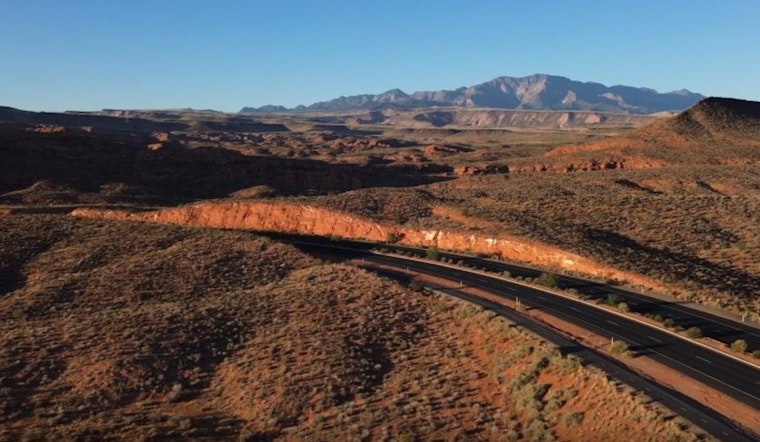
Federal land managers have signed off on a long-debated four-lane Northern Corridor in the St. George area, instantly reigniting a years-long fight over desert tortoise habitat and beloved recreation spots. The approved route would cut through part of the Red Cliffs National Conservation Area and slice across land climbers and mountain bikers know as Moe’s Valley and the Zen area. County officials argue the plan pairs the new road with significant added protections nearby, while conservationists counter that those measures will not fully prevent habitat loss.
As reported by FOX13, the Bureau of Land Management on Wednesday approved the Northern Corridor right-of-way and confirmed that a previously floated option to upgrade Red Hills Parkway was dropped after the Utah Department of Transportation concluded it “would not be technically or economically feasible.” According to that report, the new route would let traffic from Ivins and Santa Clara bypass downtown St. George, potentially easing the east-west congestion county leaders have long warned could choke the area’s growth.
Where This Fits In A Long Fight
The corridor has been controversial for years. Federal agencies approved a right-of-way in 2021, then reopened their review and produced a supplemental environmental analysis in 2024 that leaned toward alternatives and led to additional agency decisions. As outlined by BLM, those records of decision and the accompanying documents have shifted as officials repeatedly revisited how the project would affect species, recreation, and cultural resources.
Zone 6, Trails And Mitigation
Washington County officials say the latest decision also adds roughly 7,000 acres to the Red Cliffs Desert Reserve, in an area commonly called Zone 6. They note that this protected parcel includes the Bear Claw Poppy and Zen mountain-bike trails, along with Moe’s Valley climbing areas. The county has pitched Zone 6 as mitigation for any tortoise impacts tied to the corridor, and its habitat conservation plan calls for fencing, surveys, and translocation work to limit harm, as detailed on Washington County's website.
What It Means For The Tortoise
County HCP administrator Cameron Rognan told FOX13 that “while the corridor will require us to relocate 30–40 desert tortoises, the addition of Zone 6 to the Reserve protects more than 900 tortoises,” a framing county leaders describe as a net conservation gain. Opponents reject that math, arguing that moving animals and carving up habitat carries serious risk and that the promised protections hinge on long-term management and funding commitments that are not guaranteed.
Legal Fallout And Next Steps
The Northern Corridor has already spent years tangled in lawsuits and federal reviews, and local coverage suggests more legal challenges are likely to follow this latest approval. The Salt Lake Tribune and KUER have tracked the back-and-forth among federal agencies, conservation groups, and county officials. The BLM’s environmental documents outline more design work, monitoring, and mitigation commitments, but critics say none of that will undo the highway’s effect on the landscape and recreation areas. Residents can expect additional public comment periods, county planning meetings, and potential federal court fights before any construction crews show up.
The BLM’s project page on its ePlanning portal hosts the Record of Decision, maps, and technical appendices for public review, as posted by BLM. Given the project’s history of reversals and litigation, it remains uncertain when, or even if, ground will be broken, but the latest approval puts the Northern Corridor squarely at the center of Washington County’s transportation planning and conservation groups’ attention in the months ahead.





