

























































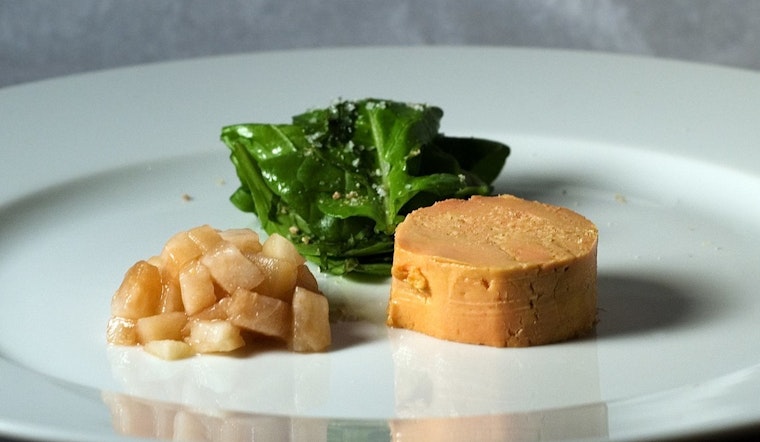
Portland’s long‑running feud over foie gras is heading back to City Hall, where council members are set to debate a proposal that would outlaw sales of the luxury duck and goose liver in city limits. The Arts & Economy Committee will take up the ordinance today, reviving a controversy that regularly pits animal‑rights advocates against some of Portland’s most celebrated kitchens.
The measure targets commercial sales only, not private possession. Even so, it is already sparking dueling statements, protests, and nervous menu planning among restaurateurs. Backers cast the move as Portland drawing a line against animal cruelty and environmental damage. Critics counter that a ban, however narrow, could bruise the city’s reputation as a serious food town. It will be the first time in years that the council has formally weighed a foie gras prohibition.
What the ordinance would do
The ordinance, sponsored by Councilor Mitch Green and Council President Jamie Dunphy, would bar the sale inside Portland of foie gras produced through force‑feeding practices, with fines of up to $5,000 per violation, according to The Oregonian/OregonLive. In documents filed with the city, the sponsors describe the production process as both inhumane and environmentally unsustainable.
Supporters stress that the proposal is written to hit commercial sellers only, not home cooks who might buy or serve foie gras privately. In their telling, the ordinance is about where businesses source one specific ingredient, not what people are allowed to eat in their own kitchens.
Exceptions and enforcement
Draft language creates a carve‑out for fatty‑liver products when a seller can show the liver was produced without force‑feeding, explicitly allowing foie gras from non‑gavage methods, according to Pro‑Animal Oregon. That means vendors who can document alternative production practices would still be able to offer certain duck or goose liver dishes.
Enforcement would rely on complaints rather than routine inspections, a design supporters say keeps the ordinance from becoming an expensive new regulatory program. Organizers behind the push argue that a complaint‑driven system, paired with the small number of affected businesses, makes the overall impact modest.
Who would be affected
By advocates’ own estimates, fewer than a dozen restaurants and specialty shops in Portland currently sell foie gras, and recent local reporting suggests roughly half a dozen higher‑end spots have had it on the menu in the past few years, per Willamette Week. That relatively small footprint is central to supporters’ case that the change would tweak menus at only a handful of venues while leaving the broader hospitality sector untouched.
Restaurant owners and business groups are less sanguine. They argue that even a small, highly specific prohibition carries big symbolic weight and could ripple through downtown’s dining scene, affecting how chefs feel about experimenting with other ambitious or controversial dishes.
Local push and politics
Councilor Mitch Green has brushed aside criticism that the foie gras debate is a distraction, saying he can juggle this issue alongside larger crises. “The foie gras ban … is an economic issue that is very important to people in our community,” he told reporters, according to Willamette Week.
The concept itself has been floating around City Hall for a while. In 2021, councilors Mingus Mapps and Carmen Rubio both voiced interest in pursuing a ban before ultimately pulling back, a history noted by Eater Portland. More recently, other council members, including Olivia Clark, have questioned whether spending political capital on foie gras might undercut focus on housing, public safety and basic infrastructure.
Restaurants and protests
Foie gras has been a flashpoint at Portland restaurants for decades, with animal‑rights activists regularly staging demonstrations outside fine‑dining spots. Restaurateur Kurt Huffman has publicly described some of the tactics he has seen from protesters and said he dropped foie gras from the menu at his St. Jack bistro last fall, a change noted by The Oregonian/OregonLive.
That episode shows how activist pressure has sometimes reshaped Portland menus even without a city ordinance in place, with some chefs deciding the dish is not worth the recurring conflict at the front door.
Legal implications
Portland would not be the first jurisdiction to wade into this fight. In both New York City and California, foie gras restrictions have been met with swift legal challenges, with farmers and distributors in some instances winning injunctions that stalled enforcement, according to reporting by the Times Union.
That track record suggests any Portland ban could quickly land in court. Attorneys note that details such as fine amounts and how the city enforces its rules often become central targets. If the measure advances, the city attorney’s office is expected to weigh in on how sturdy the proposal is likely to be under legal scrutiny.
What happens next
The Arts & Economy Committee is scheduled to hear public testimony on Tuesday, after which members could vote to move the ordinance to the full council or send it back for more work. Animal‑welfare advocates are urging supporters to show up in person or log in virtually to speak, according to event listings from Pro‑Animal Oregon.
Whichever way the committee vote goes, the political and culinary debate is unlikely to wrap up quickly. Portland, a city that has long prided itself on elaborate foie gras preparations, now has to decide whether that chapter of its dining identity belongs in the past.




