

























































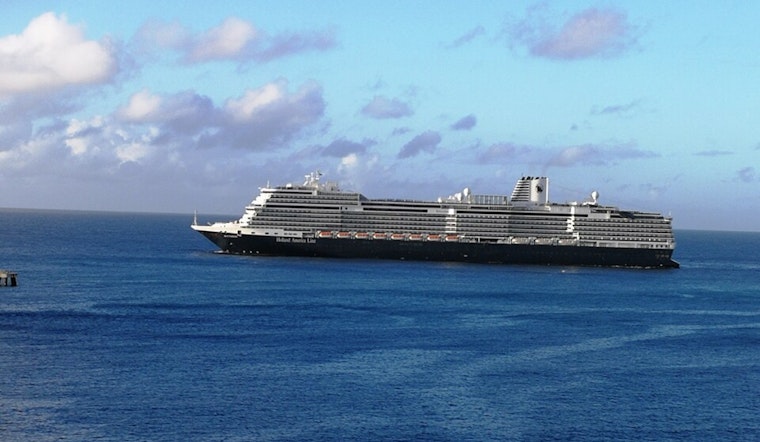
What started as a winter escape to the Caribbean ended with dozens of sick passengers and a shipwide scrub-down, as Holland America Line’s Rotterdam returned to Fort Lauderdale on Jan. 9 after a Dec. 28–Jan. 9 sailing that federal health officials say left 94 people ill with norovirus. Dozens of travelers ended up in the medical center with vomiting and diarrhea, although the cruise line said most cases were mild, and the company carried out a full sanitization of the vessel once the voyage wrapped.
CDC counts and timeline
According to the CDC Vessel Sanitation Program, 85 of the Rotterdam’s 2,593 passengers and 9 of the 1,005 crew members reported gastrointestinal illness during the Dec. 28, 2025–Jan. 9, 2026 voyage, for a total of 94 cases. Vomiting and diarrhea were the predominant symptoms. The outbreak was reported to VSP on Jan. 8, near the end of the trip, and the program is remotely monitoring the ship’s response and sanitation procedures.
Route, company response and local reporting
The Rotterdam departed Port Everglades in Fort Lauderdale on Dec. 28 and made scheduled calls in Curaçao, Colombia, Panama, Costa Rica and Jamaica before returning to South Florida on Jan. 9, according to itinerary tracking by CruiseMapper. Holland America told NBC News that “the cases were mostly mild and quickly resolved” and said it “conducted a comprehensive sanitization of the ship when the cruise ended” in Fort Lauderdale. Local station FOX5 San Diego later published a summary of the CDC report.
How norovirus spreads and what to watch for
Norovirus spreads easily in close quarters and on contaminated surfaces, which makes cruise ships particularly vulnerable when the bug gets on board. Symptoms usually show up 12 to 48 hours after exposure. According to the Cleveland Clinic, common signs include nausea, stomach pain, vomiting, watery diarrhea, headache and fever, and the illness typically lasts one to three days. Because people can shed the virus before and after they feel sick, quick reporting of symptoms and aggressive surface disinfection are key to limiting spread on ships and at ports.
Health officials' response and past trouble on Rotterdam
The CDC says the Rotterdam increased cleaning and disinfection, isolated ill passengers and crew, and collected stool specimens for laboratory testing as part of the outbreak response. These are standard steps that VSP monitors remotely to ensure cruise ships are following sanitation protocols, according to the CDC Vessel Sanitation Program. The Rotterdam is no stranger to gastrointestinal trouble, with multiple outbreaks recorded in recent years, a trend detailed in earlier coverage and in VSP records.
Advice for travelers
For anyone who was aboard the Rotterdam and felt ill during or after the cruise, medical experts say you should see a provider if you develop signs of dehydration or a high fever, and loop in your travel insurer or cruise agent about any related medical bills. Public-health guidance still leans on the basics: frequent handwashing, skipping self-service food stations if you are symptomatic, and staying out of shared areas until at least 48 hours after symptoms stop, per the Cleveland Clinic. Travelers are also urged to keep an eye on carrier notices and official outbreak postings before they sail, so unpleasant surprises do not follow them back to port.



