

























































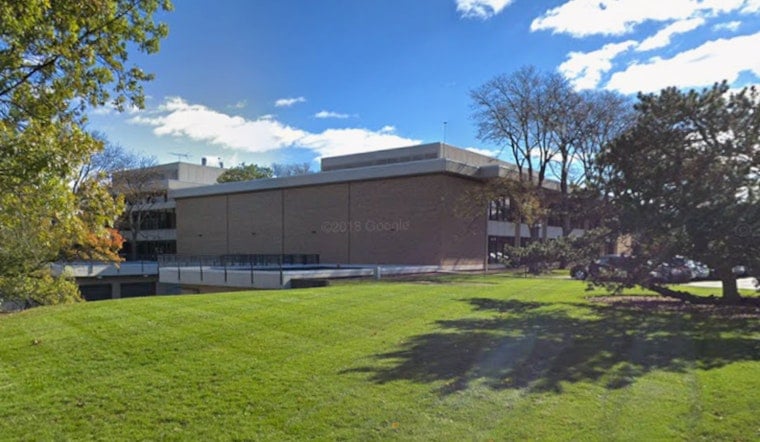
The long-quiet, 19.4‑acre former Scott Foresman campus at 1900 East Lake Avenue in Glenview has a new chapter coming, and it involves bulldozers and a lot of custom home plans. Developers have closed on the site and intend to replace the vacant midcentury office complex with a 60‑home subdivision aimed mainly at empty‑nesters. The buyers paid roughly $14 million for the property and are already marketing lots that run from roughly $400,000 to $725,000.
Sale and plans
According to The Real Deal, Highland Park‑based Generation 4, led by Keith Jacobs, teamed up with Nashville builder Red Seal Homes to buy the 1900 East Lake Avenue parcel from Chicago investment firm R2 in December, property records show. The Real Deal also notes that R2 and partner T2 Capital picked up the site in 2022 for about $10.7 million and that the new owners plan to carve the land into 60 single‑family lots.
Lots, pricing, and sales
Listing materials for the project, branded as “The Foresman,” show 60 fully improved, permit‑ready lots sized from roughly 7,500 to 21,000 square feet. Asking prices are advertised at about $399,900 to $725,000, and several parcels already appear as pending on local MLS sites, suggesting buyers are not waiting for the wrecking ball to swing. The sales push is being led by Kaage Homes at Compass, where multiple entries for 1900 E. Lake Avenue spell out pricing and availability lot by lot.
Demolition, a time capsule, and village rules
Developers told The Real Deal they expect to start interior demolition within two weeks of January 5, with exterior demolition targeted for February. A time capsule discovered in the building is set to be handed over to the village, a rare case where something from a teardown actually gets preserved.
Village approval documents require that 75 percent of the new homes be ranch‑style or include a primary bedroom on the first floor, a condition designed to limit the number of school‑aged children entering the district. The campus itself was built in 1966 and has sat vacant since 2020, known locally for its Midcentury Modern design. Preservation groups and local coverage had highlighted the structure’s historic character; for background on the building’s history, see WBEZ.
Neighborhood context
The sale caps years of argument over what to do with the property, with preservation advocates pushing for reuse while developers floated denser, rental‑heavy concepts. In the end, the village signed off on a lower‑density, for‑sale plan intended to dial down pressure on local schools and infrastructure. The decision lines up with a broader North Shore pattern of turning aging office parks into housing as demand for single‑family lots continues to outstrip what is on the market.
What happens next
Once demolition wraps up, the development team plans to install roads, utilities, and other infrastructure, then expects to deliver finished lots to buyers by late spring or summer 2026, according to project sales materials and listings. Buyers will be able to work with designers and builders to create custom homes, while the developer intends to roll out a handful of spec models to jump‑start the neighborhood and give future residents a preview of what life at The Foresman might look like.





