

























































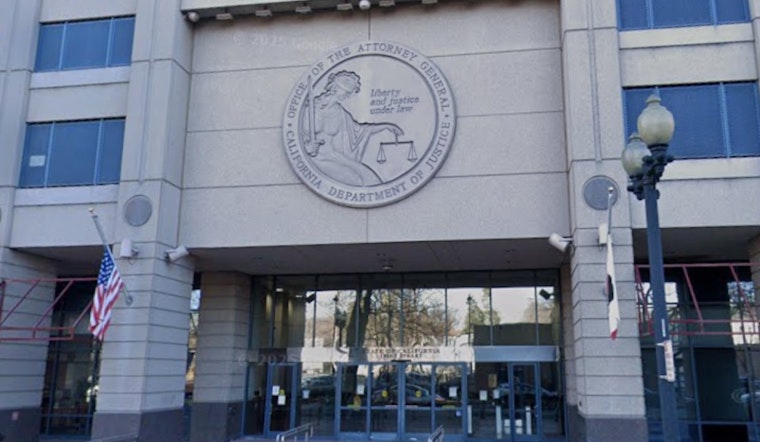
The California Department of Justice says it has reached a Proposition 65 settlement with a seafood distributor after lab tests found elevated levels of heavy metals in products that lacked required consumer warnings. Attorney General Rob Bonta flagged the case on X yesterday, casting it as part of the DOJ’s ongoing effort to hold companies to account when they do not disclose exposures to lead and cadmium. Under the deal, the company must pay penalties and adopt new safeguards intended to curb future contamination.
According to the California Department of Justice, the settlements resolve allegations that Clearwater Fine Foods USA Inc., Seaquest Seafood Corporation, and Jayone Foods sold fresh or frozen seafood in California with cadmium and/or lead levels above Proposition 65 “safe harbor” thresholds and without the warnings the law requires. The DOJ said the agreements cover both civil penalties and injunctive measures intended to prevent future exposures. The office stressed that businesses must warn California consumers when products expose them to significant levels of toxic contaminants.
Under the settlements, Clearwater, identified by the DOJ as a harvester tied to elevated cadmium in clam products, agreed to pay about $304,165 and to implement monitoring, processing controls, a food-quality auditor and compliance testing, while Seaquest and Jayone agreed to pay a combined $81,440 and to add Proposition 65 warnings and press suppliers to limit metals during processing, as reported by SeafoodSource. Attorney General Rob Bonta also posted about the agreements on X in a message from his account, Rob Bonta on X.
We’ve secured a Prop 65 settlement with a seafood distributor after it failed to warn consumers about heavy metals in its products.
— Rob Bonta (@AGRobBonta) January 26, 2026
At CA DOJ, we’ll continue to protect consumers & hold accountable those who fail to warn Californians when they are exposed to elevated levels of…
Which products were tested and why they required warnings
The DOJ said the Clearwater settlement followed private-enforcement 60‑day notices and follow-up testing that confirmed clam products contained cadmium concentrations above the state’s safe-harbor level, which triggers the Proposition 65 warning requirement, according to the California Department of Justice. Similar testing of products distributed by Seaquest and Jayone showed lead and/or cadmium above the thresholds, the release said. The settlements include opt-in language that allows other sellers who discover noncompliant products to join the Seaquest/Jayone agreement on similar terms.
How Prop 65 safe‑harbor numbers matter
Proposition 65 does not ban chemicals, it requires warnings when exposures exceed OEHHA’s conservative “safe harbor” levels. The Office of Environmental Health Hazard Assessment lists cadmium’s oral Maximum Allowable Dose Level (MADL) at 4.1 micrograms per day and lead’s MADL at 0.5 micrograms per day (with a lead NSRL of 15 µg/day), thresholds that can be triggered by otherwise ordinary food items, according to OEHHA and OEHHA. That is why the state’s enforcement sometimes focuses on testing and labeling rather than on outright product bans.
Legal and industry implications
Enforcement under Proposition 65 often starts with private 60‑day notices and can lead to civil penalties, injunctive relief, and settlement terms that push suppliers to change practices, a trend legal observers say is growing for food products tested for heavy metals, as reported by State Impact Center. The Seaquest/Jayone agreement’s opt-in provision lets other sellers join on similar terms, which can speed up compliance across supply chains. For businesses, that means testing and labeling strategies become central to avoiding enforcement risk.
For shoppers, the practical move is to check for Prop 65 warnings on packaging or at the point of sale and to ask retailers about product sourcing. A warning signal is exposed above a conservative state threshold, not an instant health emergency. Retailers and distributors selling into California should audit suppliers and be ready to add labeling or reformulate products if testing shows exposures above safe‑harbor levels, SeafoodSource notes. Consumers with questions can consult the state’s Prop 65 resources for more details.





