

























































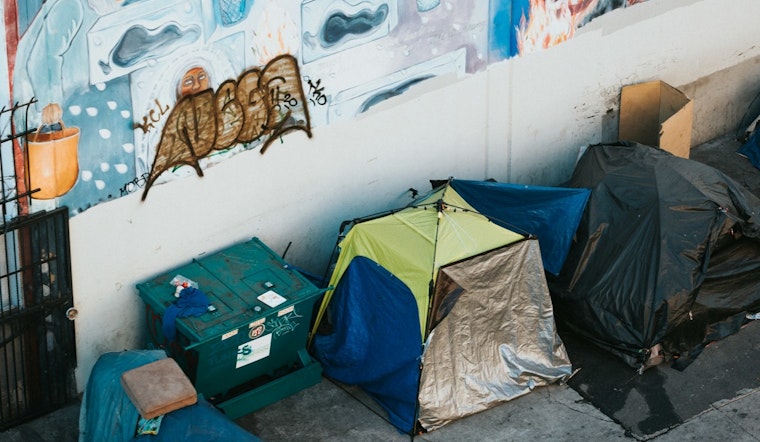
Chicago is facing a far bigger homelessness crisis than its official tally suggests. A new analysis from advocacy groups estimates that more than 58,000 Chicagoans experienced homelessness in 2024, a sweeping year-long total that makes the city's one-night snapshot look painfully small. As volunteers get ready for the annual point-in-time count on Thursday night, the fight over what, and who, should count is heating up again.
Coalition's Year-Long Estimate Dwarfs One-Night Snapshot
According to WBEZ, the Chicago Coalition to End Homelessness found that 58,625 Chicagoans experienced homelessness at some point in 2024. Instead of taking a single headcount on a winter night, the coalition pulled together year-round administrative data and service records to build a fuller picture.
Their method counts people staying in overcrowded homes, motels, or other unstable living situations that do not show up in the federal point-in-time survey. Advocates argue that a year-long look captures the churn of eviction, couch-surfin,g and short-term crises that a one-night snapshot simply cannot see.
What the City's Count Measures, and What It Misses
The city's official point-in-time count reported about 18,836 people experiencing homelessness in 2024, a spike driven in part by thousands of newly arrived asylum-seekers who happened to be in city shelters that night, according to the Chicago Sun-Times. The survey tallies people sleeping in shelters, on the street or in other places not meant for human habitation.
What it does not count are the many Chicagoans temporarily staying with friends or family because they have nowhere else to go. City officials note that the point-in-time approach follows U.S. Department of Housing and Urban Development standards and is required to steer certain federal resources into local programs.
Why Advocates Say the Official Picture Is Too Small
“The point-in-time count is flawed to begin with,” M Nelsen, manager of city policy for the coalition, told WBEZ, pointing out that volunteers can easily miss people living in abandoned buildings, cars, or tents tucked out of sight.
The coalition's analysis found that doubled-up homelessness, people staying temporarily with relatives or friends, is nearly three times as common as street and shelter homelessness. Advocates say thatthe blind spot makes widespread housing instability look like a niche problem and leaves prevention programs and rental assistance underfunded in neighborhoods where families are hanging on by a thread.
How Migrants and System Changes Factor In
Local media have been unpacking how different counting methods move the numbers. FOX 32 Chicago's The Chicago Report recently aired a segment walking viewers through the math and what it means for policy fights at City Hall.
At the same time, the city has been rolling out its One System approach, which combines migrant and homelessness shelters into a single network. Officials say that the shift streamlines how people are placed into beds, but it also changes how shelter populations are tracked and reported. Advocates warn that those moving targets make it harder to compare year-to-year totals and to build long-term services for both families and single adults.
Why the Difference Matters on the Ground
The choice of metric is not just a statistical argument. Point-in-time totals are used to direct certain federal and city dollars, while year-long estimates point to a far larger need for eviction prevention, rental assistance, and new affordable housing, according to WTTW.
Advocates are pressing for dedicated local revenue streams and expanded prevention programs so that doubled-up families are not pushed out of view and out of luck. For now, alderpeople, service providers and neighbors are left with a tough planning question: do they budget and build for the smaller federal snapshot, or for the much larger reality that thousands of Chicagoans are already living?



