

























































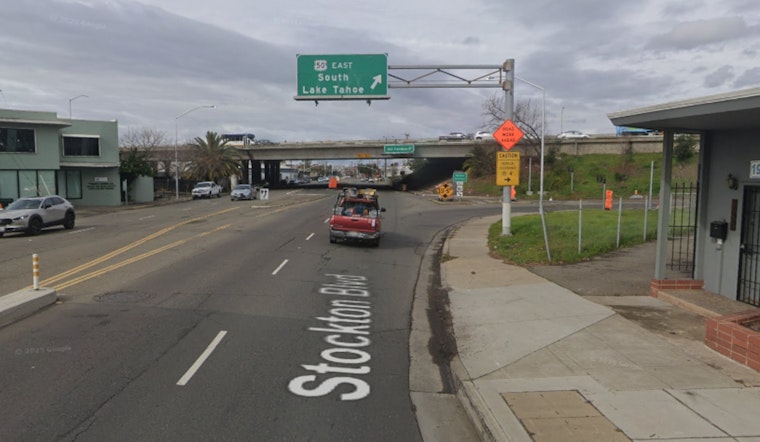
Brian Kipton Shaw, a 42-year-old Paradise father and veteran motorcyclist, died after a chain-reaction wreck on Highway 50 in January, and his loved ones say it was no freak accident. Shaw’s family, fellow riders and their relatives have filed a wrongful-death and injury lawsuit that targets Caltrans and the companies behind the yearslong Fix50 construction work. The complaint, lodged at the end of December, claims that lane shifts, concrete K-rail barriers and missing or muddled signs turned the freeway into a tight, single-lane funnel that left riders almost no room to escape the pileup. Plaintiffs include Shaw’s widow, Roberta Talley, their two adult children and dozens of members and relatives of the riding group. The suit names Caltrans, lead contractor Flatiron Dragados, several subcontractors and the driver allegedly involved in the crash.
According to KCRA, the collision unfolded on Jan. 12, 2025, near the Stockton Boulevard exit, when a sedan slammed into a group of 13 motorcycles. Five riders were taken to local hospitals, and Shaw later died from his injuries. Fellow riders told KCRA that the group, part of a Clamper-affiliated club, was thrown into the concrete K-rails and into one another as the wreck cascaded down the line, creating a chaotic scene across the westbound lanes.
The lawsuit argues that the construction zone effectively “boxed in” the motorcyclists and lacked adequate warning signs, turning that piece of Highway 50 into “a magnet for collisions, injuries and fatalities,” according to The Sacramento Bee. The complaint says a sedan clipped the lead rider, then braked, sparking a chain reaction that left those behind with almost no space to swerve or slow. Dozens of plaintiffs contend that the temporary lane layouts and barrier placements made the corridor unusually dangerous for any large group ride.
The 37-page filing lists as defendants the California Department of Transportation and lead contractor Flatiron Dragados, along with subcontractors Teichert Construction, Coral Construction, WSP USA and Knight Construction Management, plus the driver of the sedan, according to the court documents. Plaintiffs’ attorney Robert Bale told Abridged that the shifting K-rail placements, lane splits and related messaging worked like a game of “musical chairs,” keeping drivers guessing and, in his view, breaking Caltrans’ own safety rules.
Caltrans has publicly stated that “safety is the department’s top priority,” but the agency declined to discuss the specifics of an ongoing case, and representatives for Flatiron Dragados also declined to comment, The Sacramento Bee reported. Plaintiffs say that silence only adds to broader frustration over how the Fix50 zone was handled during months of moving lanes and barrier realignments.
Timing and next steps
According to Abridged, the plaintiffs rushed to file their complaint at the end of December in order to lock in their claims while investigative work and legal deadlines were still in flux. The family says it is still waiting on the California Highway Patrol Valley Division’s full collision report. From here, the case will follow the usual civil track in Sacramento County Superior Court as the parties trade documents, conduct discovery and set hearing dates.
Background on Fix50
The Fix50 overhaul launched in 2021 with the goal of widening U.S. Highway 50 and adding high-occupancy vehicle lanes, but the project has fallen behind schedule and gone over budget, KCRA reported. Drivers and local officials have repeatedly griped about ever-changing lane patterns, temporary concrete barriers and tricky configurations in the corridor, issues that plaintiffs now cite as contributing factors in multiple crashes inside the work zone.
Legal context
Under California law, wrongful-death and personal-injury lawsuits typically face a two-year statute of limitations, according to Justia, which summarizes California Code of Civil Procedure § 335.1. Claims against public entities often must start with an administrative claim filed within six months, per California Legislature, a procedural requirement that can shape the timing of lawsuits involving state transportation work.
The defendants have not yet filed formal responses to the complaint, and the case remains in its early civil stages. Plaintiffs frame the lawsuit as a bid for accountability and compensation after what they describe as a preventable death, and court filings and CHP records are expected to draw continued scrutiny as the investigation and litigation unfold.





