

























































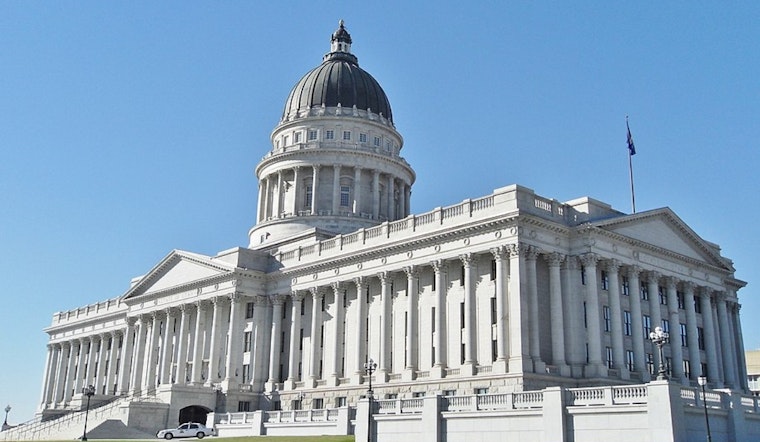
Utah lawmakers in Salt Lake City are aiming at what critics call the state’s “adoption tourism” pipeline, rolling out a bill that would sharply limit cash benefits for birth parents and tighten the rules for private agencies. The proposal, HB0051, would cap payments, restrict late-pregnancy travel into the state, and ultimately force child-placing agencies to become nonprofits. Backers say the industry has gone far too long without guardrails, while opponents warn the plan could make an already emotional process even harder for families and pregnant people who seek out Utah’s adoption system.
What HB0051 Would Change
Sponsored by Rep. Katy Hall, HB0051 is written as a financial and accountability overhaul for Utah’s private adoption world. The draft would cap living-expense payments to birth parents at $8,000, limit weekly allowances, and push agencies to pay landlords, medical providers, and other vendors directly whenever possible, according to the Utah Legislature.
The bill would also bar advertising that highlights financial incentives for placing a child, tighten rules around transporting women who are late in pregnancy into Utah, and require all child-placing agencies to convert to nonprofit status by 2027. Supporters frame it as a way to strip out profit motives and curb aggressive marketing that critics say has turned Utah into a magnet for out-of-state adoptions.
Why Critics Call It Adoption Tourism
For years, advocates and reporters have flagged Utah’s combination of a short 24-hour consent window and generous birth-parent expense policies as a draw for agencies recruiting outside the state. They describe a pattern in which pregnant people are flown in, housed, and given cash stipends, then asked to sign final adoption papers soon after giving birth. Critics argue that those arrangements can put intense pressure on people who are already vulnerable and far from home. Those accounts, along with interviews with birth-parent advocates, are detailed by The Salt Lake Tribune.
Money, Costs and the Bigger Picture
Nationally, private domestic adoptions often cost in the ballpark of $25,000 to $60,000, according to the Congressional Research Service. In Utah, advocates and local reporting say agency fees and birth-mother payments can push those totals even higher. Some groups estimate agency starting prices around $50,000, and reporters have reviewed expense statements that list thousands of dollars in housing, food, and postpartum cash support. Those local examples and interviews are documented by FOX13.
Fathers’ Rights and Utah’s ‘Fraud Immunity’ Rule
Utah also has some of the country’s stricter rules for unmarried fathers who want a say in an adoption. To keep legal standing, they must both file a paternity action and register with the state’s putative father registry. That registry is barely used; reporting found only 10 men listed as of Oct. 29, according to The Salt Lake Tribune. Advocates say many fathers never get notice in time and are effectively shut out of the process.
On top of that, Utah’s adoption code includes a controversial provision that makes it difficult to unwind adoptions even when fraud is alleged. The language, found in Utah Code §78B-6-106, appears at Justia.
Who Wants the Crackdown, Who Is Pumping the Brakes
Inside the industry, the reaction to HB0051 is mixed. Some agency leaders and reform advocates have signaled support for pieces of Hall’s proposal, particularly the push for more transparency around agency finances. Others warn that strict caps on payments and tighter transport rules could create real hardship for people who rely on that support in late pregnancy and after birth.
Lobbyists and agency representatives told lawmakers during interim hearings that they agree there are problems to fix, but pushed back on some of the bill’s specific limits, according to FOX13. HB0051 is currently pending before the House Judiciary Committee after being introduced in mid-January, and lawmakers are expected to hear more testimony and consider amendments as it moves through the process.
For those tracking the details, the full bill text and status updates are available on LegiScan. Legislators have already signaled that thresholds, timelines, and carveouts could shift as negotiations play out over the course of the session.





