

























































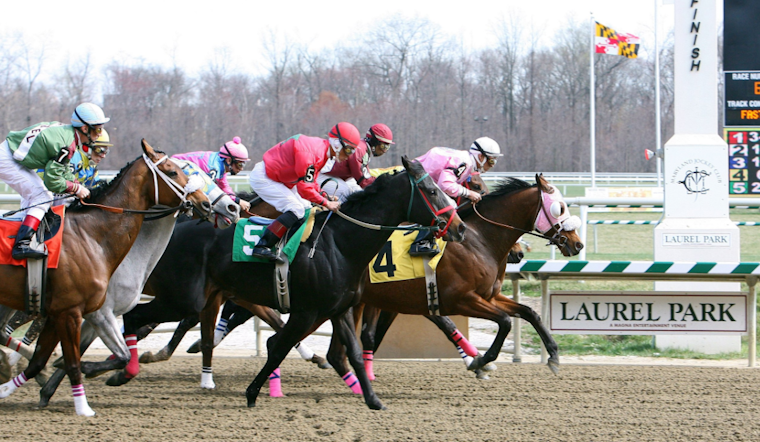
It's official: Laurel Park is getting a new lease on life, not as the beloved racetrack many have known since 1911 but as a state-of-the-art thoroughbred training facility. In a move that solidifies the future of Maryland's horse racing industry, the Maryland Stadium Authority has struck a deal with The Stronach Group, the current owner of Laurel Park, as reported by WMAR2 News. This transition will focus on preparing horses for their winning runs, rather than hosting races.
Though the pastures of Laurel Park have seen countless thundering hooves down its fabled stretch of track, the Maryland Jockey Club will maintain oversight of daily operations despite the handover. The new setup won't just consolidate training operations to create a powerhouse of horse preparation. Still, it also aims to preserve jobs, maintaining a workforce of 500, and cut costs—a cool $50 million, according to statements released. The stakes are high for the 151st Preakness Stakes set to flag off at Laurel before it makes its triumphant return to a spruced-up Pimlico Race Course in 2027, as WBALTV detailed.
Pimlico won't be left in the dust either—it's being primed for an overhaul into a "ship-in" racing venue, with horses and trainers clocking miles from other centers just for race days, a scheme estimated to spare the state a tidy $26.3 million by ditching construction of new stalls and an additional $22.5 million saved by rethinking a planned event center. In its stead, a more intimate clubhouse complete with a restaurant and sports bar rounds out the vision.
While some are harnessing excitement for the future of Maryland horse racing, the economic impact shows no sign of slowing down, with $3 billion driven by equine activities, supporting north of 28,000 jobs.




.jpg)