

























































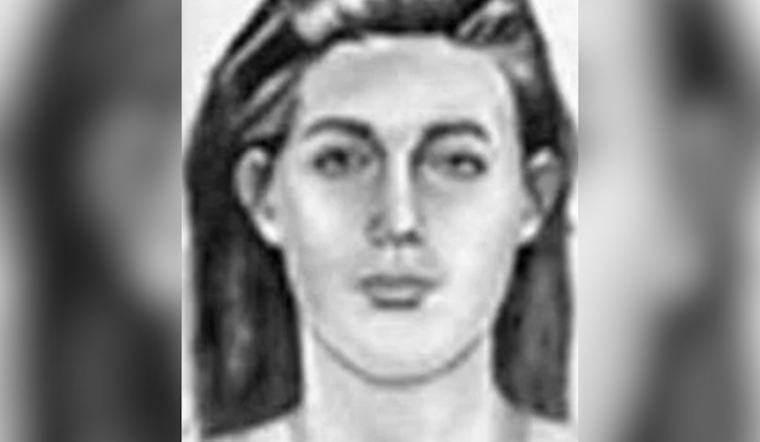
A 35-year-old Maryland cold case may finally be nearing the one detail investigators and advocates have chased for decades: the young woman’s name. A new DNA lead has connected her to a possible relative in New Jersey, giving the long-unidentified Jane Doe a real shot at leaving anonymity behind.
The woman was found face down on July 31, 1991, at the bottom of an embankment along southbound Interstate 270 in Frederick County. Maryland State Police describe her as a young woman whose decomposed body was discovered near Baker Valley Hill under suspicious circumstances, while the FBI case file estimates she was between 17 and 25 years old. The National Center for Missing and Exploited Children says she wore a denim skort, a light-colored tank top, pink nail polish and a pink anklet, along with several pieces of jewelry.
The possible breakthrough came through Christina Montorio, an adopted woman who submitted her DNA while researching her own family history. As detailed in new reporting on the DNA trail, Montorio uploaded her genetic profile to GEDmatch and allowed law enforcement access, eventually learning that she was related to the unidentified woman. Investigators then began mapping family branches across generations, a painstaking process that can narrow a mystery to relatives who may have been connected to the victim.
How Genetic Genealogy Could Solve The Case
Maryland law defines forensic genetic genealogy as using a DNA profile, genealogy databases and public records to locate people related to an unknown sample. The Maryland General Assembly specifically includes biological material from unidentified human remains in that framework. The state’s forensic genealogy oversight panel includes law enforcement officials, prosecutors, defense attorneys, forensic experts and privacy advocates.
The approach has already produced major Maryland cold-case breakthroughs. CBS Baltimore reported that genetic genealogy helped identify Margaret Fetterolf, whose remains had gone unidentified for decades. In Anne Arundel County, officials said the same investigative technique helped identify suspects in the 1970 killing of Pamela Conyers, although one of those suspects was already deceased.
For Kat Johnson, founder of the Maryland Missing Persons Network, the Frederick County case has never been just another file. She was 21 and hitchhiking from Rockville to Frederick on the day the body was found, and later devoted years to helping investigate the woman’s identity, according to The Daily Record. Maryland State Police continue to list the case as active, but have not publicly confirmed that the woman has been identified.





