

























































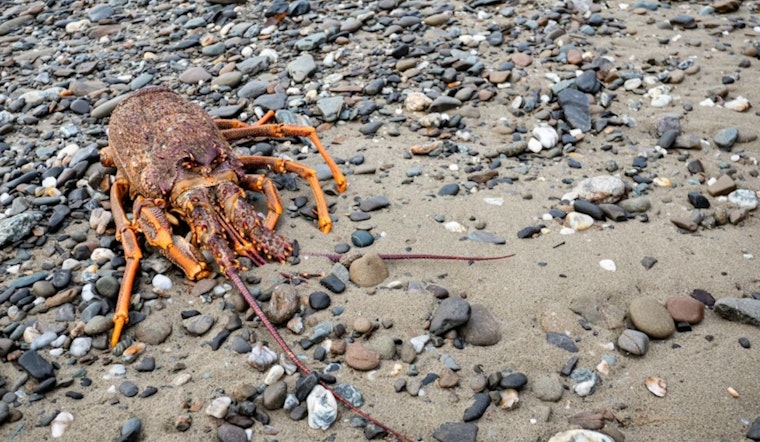
Beachgoers and surfers expecting clean winter waves instead stumbled onto clusters of lobster husks and empty carapaces scattered along the sand north of the retired San Onofre Nuclear Generating Station in mid-December, raising eyebrows and a lot of questions. Photos from stretches near Trestles and San Onofre State Beach show tails and shells strewn where visitors usually stroll or park their boards.
Retired neuroscience professor Roger Johnson first spotted the carcasses on Dec. 20 and alerted neighbors and local media, according to The San Diego Union‑Tribune. The paper reports that the California Department of Fish and Wildlife has passed the sightings to its marine division, and California State Parks told the outlet the scene is "consistent with typical conditions and do not indicate an abnormal mortality event." The plant’s operator also told the Union‑Tribune that divers inspected offshore areas Dec. 15–19 and "saw no issues."
What SONGS Posted About The December Discharge
Southern California Edison had already posted a 48-hour notice for a liquid batch release that it estimated would start Dec. 11, with roughly 34,902 gallons discharged more than a mile offshore and about 50 feet below the surface, according to the utility's community page. The notice and SCE materials state that the water is treated, sampled before release, and that the company runs a radiological environmental monitoring program that samples ocean water, kelp, sediment and marine species at several beach locations.
Molting, Predators And Rough Seas Are Possible Explanations
Crustacean experts and local reporters point out that molted exoskeletons can look a lot like dead lobster and can wash up in big numbers after mating, storms or current shifts. Past Southern California discoveries have turned out to be molts rather than mass die-offs, as explained in this is likely why. Officials have also noted that seals and sea lions feed on lobster and that strong swells can push remains from deeper water onto the shoreline, per Hoodline.
What Investigators Are Doing And What You Should Do
State agencies say they will keep an eye on the coastline and coordinate if the unusual sightings continue. If needed, samples or further testing would be used to pin down any environmental cause.
If you come across more shells or dead animals, officials advise you not to handle them and instead report the sighting to the California Department of Fish and Wildlife's CALTIP hotline at 1-888-334-2258. Details on how to report are available from the California Department of Fish and Wildlife.
For now, the plant operator and state officials say there is no clear evidence that the batch release is linked to lobster mortality. Investigators will continue watching local beaches, and any lab results will be the deciding factor if more carcasses start showing up.





