

























































In Salem, farm leaders did not sugarcoat the mood at the Northwest Ag Show. Speaking to hundreds gathered at the Oregon State Fairgrounds and Expo Center, they warned that Oregon's farm economy is under intense strain, with many family operations running in the red and owners quietly weighing whether to sell. From steep input bills to a tougher labor market and a shifting regulatory landscape, producers described a financial squeeze that is reshaping small-town life and upending long-planned farm succession.
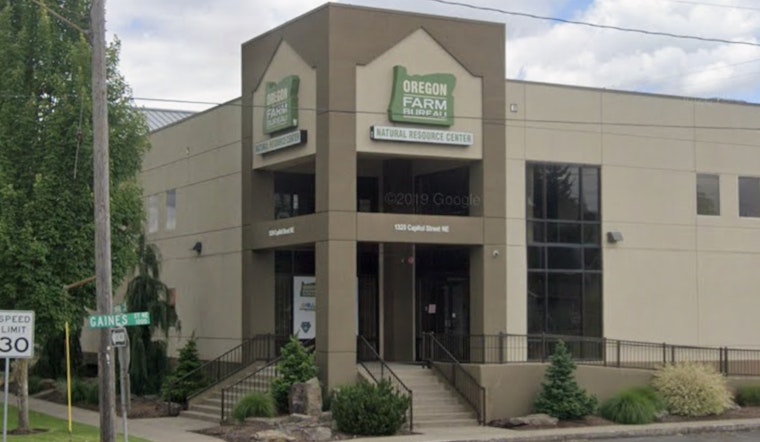
According to Austin McClister, communications director for the Oregon Farm Bureau, roughly "sixty-nine percent of farmers are operating at a net cash loss," and Oregon is "losing about a farm a day," as reported by Capital Press. McClister pointed to rising input and labor costs, along with what he called "poorly thought-out policy," as the main drivers of the crisis. Around the show floor, speakers and vendors pitched strategies meant to help producers survive those pressures, from cost-cutting ideas to new revenue streams.
Law Changes and the Labor Squeeze
One of the most hotly debated policies is Oregon's phased-in overtime law for agricultural workers. The measure requires overtime pay after 55 hours in the first phase, after 48 hours during 2025–26 and after 40 hours starting in 2027, according to the Oregon Legislative Information System. Growers at the show said the higher mandated labor costs, combined with tighter availability of H-2A workers, are making seasonal staffing both harder to secure and more expensive.
At the same time, updated Oregon OSHA rules for agricultural labor housing are still under review. If they are finalized as proposed, producers warn the added compliance costs could be more than some farms can absorb, a concern detailed by OPB. The uncertainty has many labor-intensive operations wondering how much more they can take on before the math simply stops working.
Agritourism as a Survival Strategy
Against that backdrop, several speakers argued that drawing visitors directly to the farm is becoming less of a side hustle and more of a lifeline. Emily Iverson of Wooden Shoe Tulip Farm told attendees that agritourism can help "preserve farmland and create jobs," describing how her family's Tulip Festival has grown into a major draw.
That growth has come with logistical upgrades, including online ticketing and timed entry to keep daily attendance manageable, as laid out by the farm's own festival page at Wooden Shoe Tulip Farm. The festival now packages tickets, shuttle service and on-site amenities to reduce traffic snarls and neighbor complaints during peak weekends, providing a template some attendees said they are eyeing for their own operations.
What the Data Show
Beyond individual anecdotes, state and federal numbers tell a story of consolidation. The Census of Agriculture and Oregon analyses show fewer acres in production and a declining number of farms, even as sales are increasingly concentrated among larger operations, according to Oregon State University Extension. Those trends complicate farm succession and the broader small-town economy, particularly when aging operators say they cannot see "their sons and daughters succeeding in the industry" and start considering selling, leasing or pivoting to entirely new business models.
Legal and Policy Implications
The agricultural overtime law includes refundable tax credits and transition programs meant to soften the initial cost shock for eligible farms, but growers at the show said those tools have not fully closed the gap for many smaller operations, according to the Oregon Legislative Information System. The final shape of Oregon OSHA's housing rule, and how state funds are used to help farms comply, could determine whether labor-intensive specialty crops remain viable in parts of the Willamette Valley, the Gorge and other high-cost regions, a concern outlined by OPB.
Economists who spoke at the show and in follow-up analyses said lenders, state programs and local economic development efforts will be central to any turnaround in the sector. For its part, the Oregon Farm Bureau and other industry groups plan to keep pressing lawmakers and regulators for a package of changes that protects farmworkers while giving family farms a shot at staying afloat. In the meantime, many producers are experimenting with new business models and hoping policy relief arrives in time to keep their land in the family.



