

























































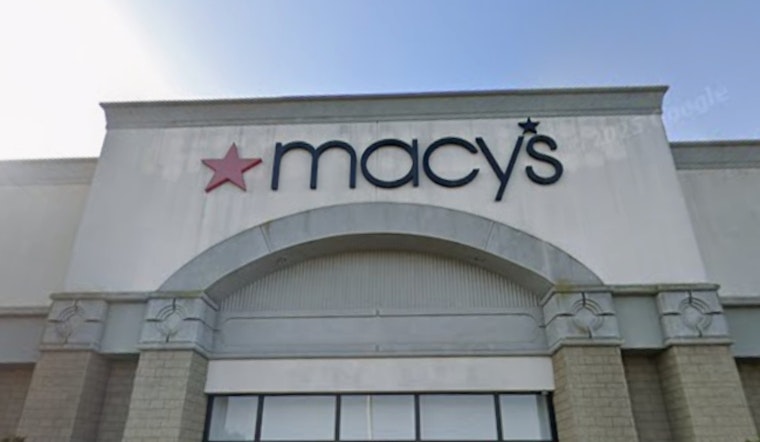
In a landscape where the retail giants of old are increasingly yielding to the relentless shift in consumer preferences and digital shopping habits, Macy's Inc. has aligned its steps by announcing the closure of 14 more store locations this year, including the Tracy store at West Valley Mall near the Bay Area. The move is a sharp reminder of the changing tides in retail consumer behavior, as Macy's continues to sail forward with its "Bold New Chapter" strategy. Caught in this strategic trimming, the Tracy store's shuttering was reported by SFGATE, after a decade-long presence since its 2010 opening, during which it employed 130 individuals at its inception.
The details of the Tracy store closure reveal a phased goodbye, with a clearance sale slated to commence in mid-January, expected to span approximately 10 weeks. This revelation came from Orlando Veras, senior director of external communications at Macy's, who stated, "The decision allows us to focus on improving nearby Macy's locations and invest in the stores and digital experiences where customers are choosing to shop today," according to SFGATE. Veras also mentioned, efforts are being made to support the impacted employees through the transition, offering them severance and, where available, transfer opportunities.
As outlined in a memo acquired by WWD, Macy's chairman and CEO Tony Spring laid out the rationale behind the closures, stating, "In executing our strategy, we continue to review our portfolio and make careful decisions about where and how we invest, including closing underproductive stores and streamlining operations." This strategic purge is part of Macy's larger plan to focus and amplify the performance of its remaining store fleet, along with doubling down on digital commerce pathways.
According to Spring, in the same memo, these ongoing strategic moves have yielded tangible outcomes, with Macy's achieving a 2.7% comparable sales growth in the past quarter for the redesigned "Reimagine" stores. While Macy's physical presence dissipates in locations such as Tracy and La Mesa, their commitment to reinvention extends to improved services, an expansion into luxury, and modernized supply chains, aiming to bolster the brand's foothold in the face of evolving market demands. Spring further added that Macy's Net Promoter Scores are improving—an indicator of customer satisfaction and loyalty—a sentiment echoed in the successful performance of sister brands Bloomingdale's and Bluemercury.





