

























































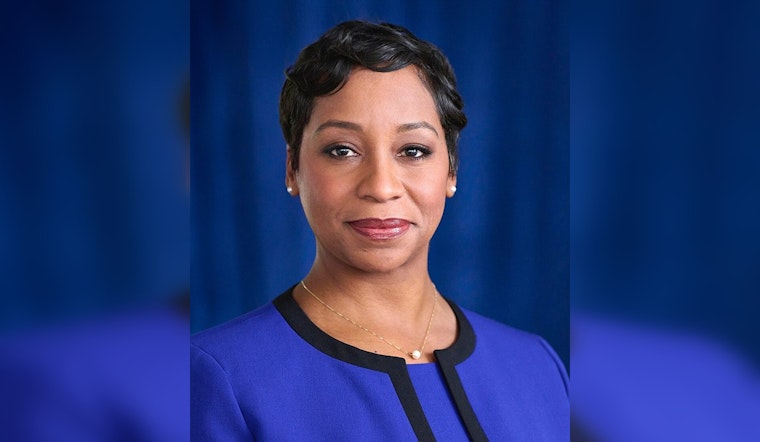
In a move that delivers a dose of much-needed good news for the scientific community, Massachusetts Attorney General Andrea Joy Campbell announced a settlement with the Department of Health and Human Services (HHS), effectively breaking the stranglehold of delays imposed by the Trump administration on critical medical and public health research grants distributed by the National Institutes of Health (NIH). As reported by the official news release from the Massachusetts Attorney General's Office, the settlement arises from a collective lawsuit led by AG Campbell alongside 16 other state attorneys general, who in April took the administration to task for its intentional slowdown.
This skirmish between states and federal entities pivoted on the Trump administration's cancellation of upcoming NIH review panel meetings and the indefinite postponement of final funding decisions for research projects. This caused widespread consternation as essential health studies got caught in limbo. "When the Trump Administration unlawfully stalled the review process for NIH grant applications, lifesaving studies related to Alzheimer's disease, cancer, and other devastating illnesses were frozen indefinitely – stealing hope from countless families across the country and putting lives at risk," Campbell was quoted in the settlement announcement released by the Attorney General's Office. The University of Massachusetts (UMass) was among the adversely affected entities, with 353 NIH funding applications stalled, undermining significant medical research, including a potentially breakthrough study on Alzheimer’s Disease. Due to the uncertainty, UMass Amherst had no choice but to cut its Fall 2025 doctoral program admissions considerably, rescinding offers to many admitted students.
Under the terms of the agreement, HHS will return to its standard review process timeline for NIH grant applications, which typically involves extensive scrutiny by subject-matter experts and agency officials. The settlement also builds on an earlier lawsuit phase where the plaintiff states challenged directives that aimed to sideline NIH projects associated with "DEI," "transgender issues," "vaccine hesitancy," among other topics marginalized by the administration, as confirmed by the Massachusetts Attorney General's Office. A District Court sided with the states, discarding the directives, and a federal government appeal is scheduled for a hearing on January 6, 2026. The settlement prohibits NIH from reverting to any such biased directives while considering new grant applications.
The coalition amassing to support AG Campbell and see this settlement through includes attorneys general from Arizona, California, Colorado, Delaware, Hawai'i, Maryland, Minnesota, Nevada, New Jersey, New Mexico, New York, Oregon, Rhode Island, Washington, and Wisconsin, as they all pursue the refortification of an impartial and scientifically driven NIH grant review process.





.jpg)