

























































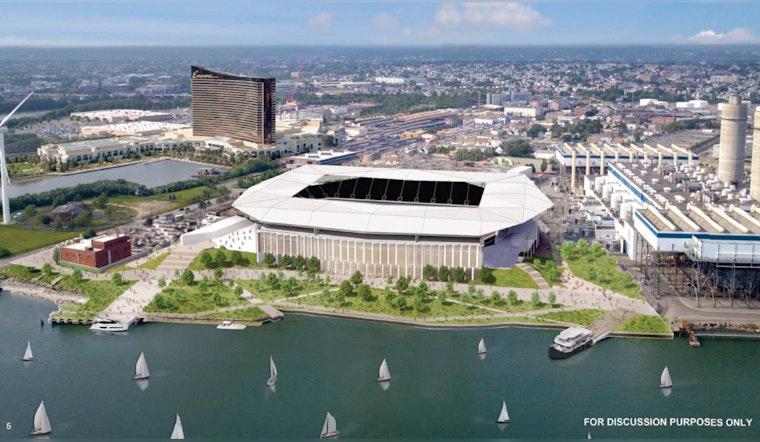
Boston's Mayor Michelle Wu has successfully negotiated a deal with the Kraft Group that promises nearly $48 million in community benefits tied to the new Everett Stadium project, set to transform sports and entertainment in the region. As reported by the City of Boston's official news portal, the agreement was clinched after extensive negotiations through 2025 and is seen as a win for local neighborhoods, especially Charlestown, which is to receive substantial investments to offset the impacts of the stadium.
The finalized package drastically outdoes the Kraft Group's initial offer, having climbed from a mere $750,000 to a hefty sum that includes both direct payments and a steady stream of revenue from ticket sales. The community benefits agreement aims to address potential negative externalities pertaining to the stadium's operation, and to fund public safety, transportation management, and infrastructure improvements. This move is expected to position Boston more firmly as a major hub for sports and entertainment in New England.
As part of the financial outline, the Kraft Group has agreed to make upfront payments totaling $3 million over six years towards the Charlestown Community Impact Fund, along with annual ticket revenue shares that are estimated to bring in an additional $2 million each year. Further, infrastructure improvements in Sullivan Square and along Route 99 will be performed before the stadium's opening day to the tune of at least $5 million. Other substantial commitments encompass a $5 million transportation fund for ongoing Charlestown infrastructure improvements and a new per-ticket revenue stream for the City.
On the transportation and public safety front, the agreement entails the introduction of an annual Traffic and Parking Management Plan approved by the City, designed to alleviate stadium-related traffic woes. Addressing the operational costs, the Kraft Group will fully fund the deployment of law enforcement on event days. In terms of design and climate resilience, measures are in place to shield neighboring areas from light and noise pollution, and the stadium will be built to meet 2070 flood resilience standards, a nod to sustainability and community safeguarding.
Local sourcing and hiring goals are also key components of the deal, with an advisory group set to help achieve these targets. The agreement promises 25% of construction and operational contracts for local minority, woman-owned, and veteran-owned businesses. In terms of community engagement, the City of Boston will have access to the stadium for community events, and the Revolution will host free youth soccer clinics.
"The City fought for a fair deal for Boston and our residents, and that is what we have achieved through this agreement,” Mayor Michelle Wu told the City of Boston's news portal. Meanwhile, local leaders have expressed their support for the deal, with State Representative Dan Ryan and State Senator Sal DiDomenico acknowledging the process and the benefits for Charlestown and beyond. City Councilor Gabriela Coletta Zapata and Revere Mayor Patrick Keefe also lauded the efforts to secure an agreement that benefits local communities while fostering economic growth.





