

























































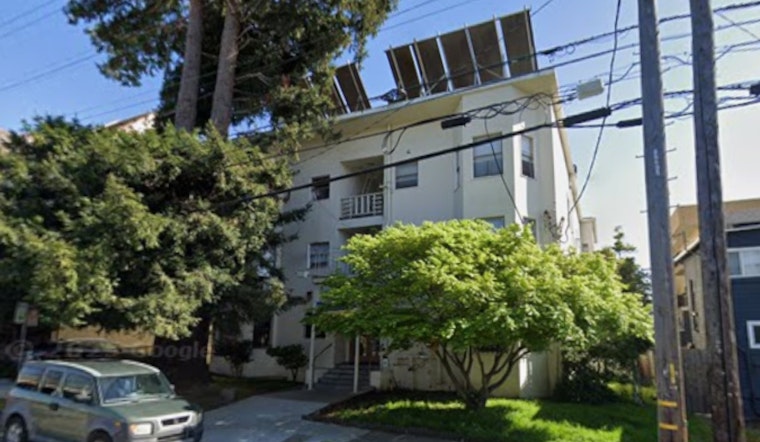
At Evans Manor, a budget student apartment complex just off the UC Berkeley campus, tenants say the affordable part now comes with a grim catch: mold on the walls, flooding on the floors, and heaters that barely cooperate. The conditions have some residents wondering what they are breathing every night.
Inspections and a private report have flagged multiple strains of mold and other habitability problems, and several tenants have already been shifted into temporary housing while the cooperative that runs the place and city officials figure out what to do next.
The trouble at Evans Manor is not an isolated headache. It folds into a broader city probe of student-run co-ops across Berkeley, with inspectors fanning out to multiple properties after a wave of habitability and safety complaints. According to the San Francisco Chronicle, staff from planning, environmental health, the fire department, and housing code enforcement have all been pulled into the reviews.
Repairs, Sale Talks, And Health Worries
A private inspection of Evans Manor identified several kinds of mold, including black mold, and both potential buyers and the Berkeley Student Cooperative estimated that the aging Haste Street building would need about $9 million in work to set things right, according to The Mercury News.
The co-op had briefly entered into negotiations to sell the property, but those talks collapsed in escrow in December. That came shortly after the cooperative regained control of Evans Manor when a long-running sublease ended. Roughly 50 tenants currently live in the building.
"The building is becoming a big liability," Yoshi Fenton told reporters, adding that the cooperative has been spending thousands every month on emergency fixes, The Mercury News reports.
One tenant cited in that reporting, Brenda Arjona, who was described as diabetic and eight months pregnant, was moved out temporarily after inspections raised specific concerns about health risks inside her unit.
What Officials Are Looking At
City inspections have backed up tenant complaints, with officials confirming that conditions at the Haste Street property pose health concerns. Departments are now comparing notes to pin down exactly which codes are being violated and what enforcement steps should come next.
The San Francisco Chronicle reports that multiple enforcement teams are involved and that no one is ready to promise a firm timeline for remediation, which leaves students in a queasy holding pattern.
Why This Matters
The Berkeley Student Cooperative operates dozens of houses and apartment buildings and either houses or feeds more than 1,300 students, according to Wikipedia. That makes its properties a crucial lifeline for low-income and first-generation students who would otherwise be squeezed by Berkeley’s brutal rental market.
When a co-op building suddenly needs major repairs or ends up on the chopping block for a possible sale, those students do not have many backup plans. Campus-controlled housing only covers a slice of the demand, and the private market is often priced well out of reach.
For now, tenants and advocates are pushing for faster inspection timelines, clear relocation plans for anyone who has to move, and a transparent plan to pay for the extensive repair work. City inspectors are still reviewing evidence, while the cooperative weighs financing options and other strategies that could bring Evans Manor into compliance without leaving its student residents stranded.





