

























































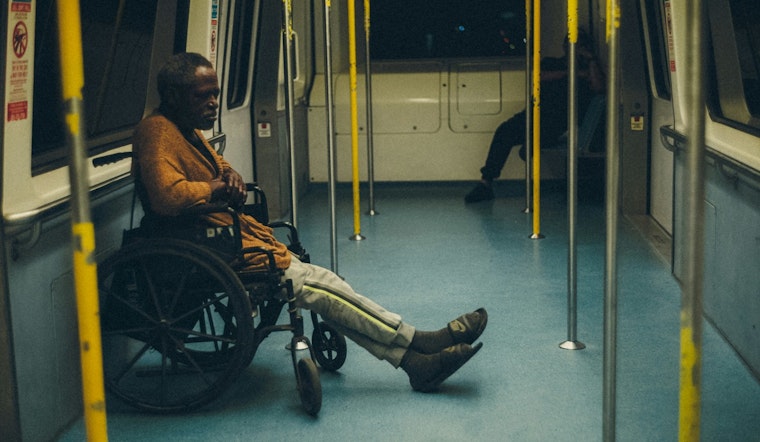
New Yorkers riding the rails can now enjoy improved accessibility across a number of the city's transit stations. Governor Kathy Hochul has made public the MTA's completion of 10 accessibility projects within 2025. According to a release from the governor's office, this work includes transformations at seven subway stations and three Long Island Rail Road stations. This latest initiative increases the tally of accessible subway stations to 154 and LIRR stations to 117.
With a focus on fostering a more inclusive transit system, the MTA has leveraged historic financial injections via congestion pricing and the MTA’s Capital Plan. "By securing historic investment to upgrade our transit system through congestion pricing and the MTA’s Capital Plan, we are taking our efforts to deliver a fully accessible transit system to the next level," Governor Hochul stated. Work completed at the stations include the installation of new street and platform elevators, stair and escalator replacements, and the creation of new entrances and curb ramps. These efforts have been coupled with updates in fare technology and station signage, aimed to streamline the travel experience for all riders, as per the Governor's Office.
Janno Lieber, MTA Chair and CEO, highlighted the accelerating pace of the agency's efforts towards improving accessibility: “Let the past year be more proof — the MTA is delivering more accessibility than ever before, both in terms of dollars and number of ADA stations." Lieber, speaking to the continuation of these strides, added, "And with a fully funded Capital Plan and dedicated funding from congestion pricing, we’re not slowing down any time soon." These remarks pinpoint the MTA's dedication to bolstering the scope and scale of accessible transit options, according to the Governor's Office.
MTA Construction and Development President Jamie Torres-Springer touted the benefits of strategic construction methods, such as bundling and private sector partnerships, which have been critical in expediting progress. "The MTA’s ability to deliver accessibility projects faster, better and cheaper shows how smart construction strategies can deliver real results for riders while saving millions in the process." Despite being burdened with providing results under the pressures of tight schedules and high expectations, these innovative solutions furnish the authority with the tools to widen accessibility and rejuvenate stations, as noted by the Governor's Office.
On the rider experience front, MTA Chief Accessibility Officer Quemuel Arroyo emphasized the wide-reaching impact of the upgrades. “The MTA’s ongoing ADA upgrades and elevator replacements are about creating a more equitable transit system for everyone," Arroyo stated. He acknowledged the broad spectrum of beneficiaries, underscoring the convenience not only for those with mobility needs but also for parents with strollers, seniors, and commuters encumbered with luggage. Every project completion marks a step towards a transit network that rises to the service of all members of the community. With a determined outlook, Arroyo declared the MTA's unwavering commitment to persisting in the pursuit of this inclusive future in 2026 and beyond, the Governor's Office noted.
As part of the congestion relief tolling program that commenced early January this year, the MTA has reaped a fresh revenue stream destined to support various improvement projects, notably the augmentation of station ADA compliance. Congestion Pricing is anticipated to generate in excess of $500 million by year-end, potent enough to fuel $15 billion in capital upgrades. Currently, twenty-three subway stations are lined up for accessibility overhauls under the 2020-24 Capital Plan, with funding sourced from the congestion relief tolls.
The MTA's newfound approach to accessibility, highlighted by the Governor's Office, is tied to innovative cost-saving strategies, including the Zoning for Accessibility (ZFA) program. This initiative grants developers a boon in building density in exchange for their commitment to finance and construct accessibility improvements. One such project has already materialized at Queensboro Plaza, where Grubb Properties has not only funded but also constructed a new entrance and elevator, assuming the mantle of maintenance as part of the ZFA agreement.
Staring further into the future, the $68 billion 2025-29 Capital Plan unfurls plans for accessibility upgrades at a minimum of 66 stations across all five boroughs and at least six commuter railroad stations. This blueprint is the MTA's commitment to achieving a monumental 95 percent accessibility milestone by 2055, while simultaneously advancing the purchase of new subway and railcars designed with an eye towards accessibility needs. New fare gates with wider doors also form part of this transformative vision, smoothing the path for those with accessibility requirements.



