

























































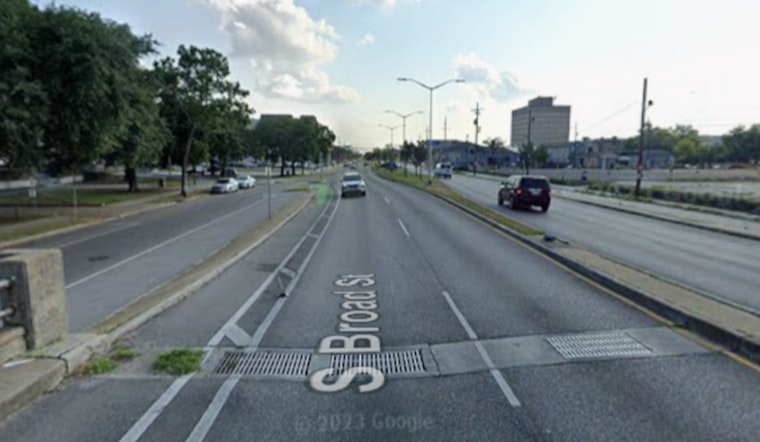
After more than four years since Hurricane Ida wreaked havoc on New Orleans, the city's Municipal and Traffic Court is set to reopen at its original Broad Street location, officials announced. In an update that provides a semblance of normalcy to the storm-battered justice system, operations are resuming at 727 South Broad St., marking an end to a period of displacement and makeshift accommodations for court staff and residents alike, according to WWLTV.
As reported by WWLTV, the court had been temporarily housed at 1601 Perdido St., the site of the old VA hospital, which itself suffered from "severe roof damage," squatters, and copper theft in the wake of the storm. Despite multiple recent closures due to inadequate heating and electrical repairs, the return to Broad Street signals a crucial step towards recovery.
Opening doors to the public on January 5, the Municipal and Traffic Court of New Orleans will hold weekday hours from 8 a.m. to 4 p.m. In a statement obtained by Fox 8, Judicial Administrator Monique Boissiere emphasized that "the Court will open the doors to the public beginning Monday Jan. 5 and will operate during regular court hours" and instructed the public to report to the South Broad location for all court matters moving forward.
During a brief visit of freezing temperatures last month, the old VA hospital site, which was serving as the court's temporary location, cancelled court proceedings ahead of a cold front. According to NOLA.com, challenges at the temporary Perdido Street location included not only climate control issues but also a power outage over the Christmas holiday that necessitated further electrical repairs. Boissiere confirmed that no court activity would continue at the Perdido building moving on.
Details about a formal ribbon-cutting ceremony for the refurbished courthouse will be announced at a later date, as the focus currently shifts to reestablishing a steady cadence of municipal and traffic court operations at the restored Broad Street edifice. This return is a notable milestone for New Orleans, signaling not just the restoration of a building, but a step in the city's ongoing journey to mend the fractures left by a storm that has long since passed, yet still looms in the collective memory of the community.




