

























































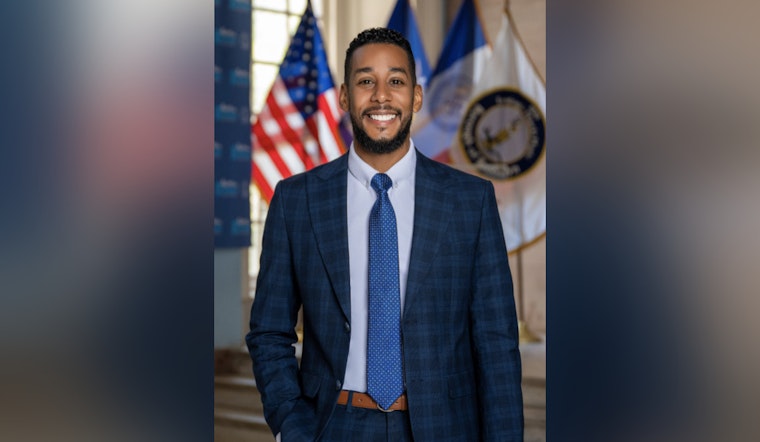
As New York City grapples with an affordable housing crisis, the recent empowerment of borough presidents over housing decisions has become a focal point. Following last November's voter approval of an appeals board, borough presidents now have heightened influence in the fate of housing projects previously under the sway of the City Council. Brooklyn Borough President Antonio Reynoso has already mapped out a strategy, adopting a rubric to navigate these newfound powers, as detailed by Gothamist. This shift marks a substantial deviation from the Council's dominant role, a procedural tradition that often saw projects wilt before reaching a formal review if not backed by local councilmembers.
Reynoso's decision-making guide prioritizes neighborhoods under his purview that are trailing in housing production, specifically targeting areas like Bensonhurst and Midwood. An analysis by the New York Housing Conference found Brooklyn lagging in new affordable housing units, a concern Reynoso aims to address. Similar sentiments are echoed by Queens Borough President Donovan Richards, with a focus on neighborhoods like Bayside and Fresh Meadows. Meanwhile, Mayor Zohran Mamdani faces his own housing challenges, vowing to triple the city's affordable housing production using union labor—commitments that carry a hefty expected price tag of $100 billion, as reported by POLITICO.
While Reynoso and Richards have taken clear stances, other borough presidents, such as Manhattan's Brad Hoylman-Sigal and The Bronx's Vanessa Gibson, have chosen a case-by-case method to evaluate proposals. Staten Island Borough President Vito Fossela has not yet publicly commented on their approach to the new entitlement. Amidst these developments, community groups and some city council members have voiced their concerns, with the fear that the new appeals board could dilute the Council's negotiating power on housing affordability.
Ongoing debates center around not just the quantity of affordable housing but also the process of its construction. Mamdani's insistence on “union-built” housing complicates the city's financial equations, potentially inflating costs by 25 to 35 percent according to Kirk Goodrich, president at Monadnock Development, in addition to concerns about the pace of project finance. This decision may have implications for how the city prioritizes its housing goals when faced with a market strained by a low vacancy rate and a growing population seeking affordable alternatives, as per POLITICO.
The dialogue around affordable housing in New York continues as officials wrestle between ambitions and practicalities, with the newfound power of borough presidents and the mayor's office intersecting in an effort to address the affordability crisis. Actions taken in the upcoming months are expected to signal the city's trajectory in fulfilling housing commitments alongside labor standards.



