

























































As flu season intensifies, it's not just New Yorkers who need to brace for infection; their four-legged companions might be at risk too. Vets in the city are turning attention to canine influenza and bird flu in pets, raising awareness among pet owners about the distinct possibility of their animals contracting these illnesses. According to Gothamist, canine influenza, specifically the H3N2 virus, while not currently an outbreak in New York, still poses a risk with reported cases in nearby states.
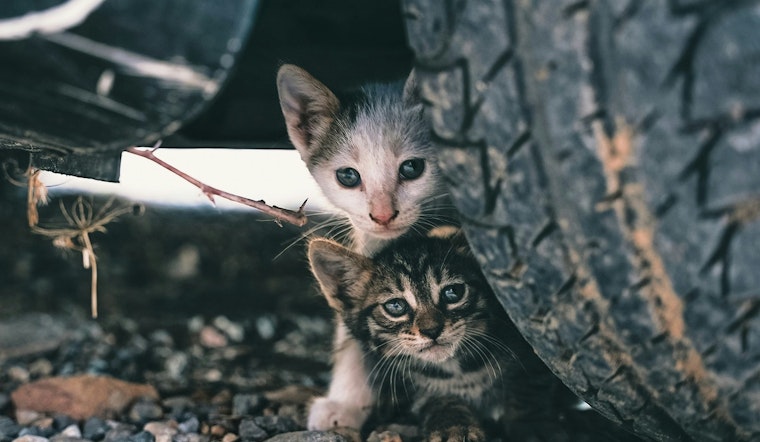
On the feline front, bird flu has taken a more immediate and tragic turn, as reported by CBS News New York, with two cats in New York City testing positive for the virus.
In the case of dogs, Dr. Katja Lang, chief medical officer at Heart of Chelsea Veterinary Group, assures pet owners that while canine influenza is highly contagious, no dogs in New York state have tested positive as of mid-December. However, she urges vigilance, especially for pets frequenting high-risk environments like shelters and kennels where the virus can spread quickly due to dense populations and, often times, less-than-ideal air circulation. The flu presents with symptoms such as coughing, nasal discharge, and in worse cases pneumonia — though Lang notes that "You can have a dog that has been exposed to the flu, that’s shedding and is contagious to other dogs and has zero symptoms." She stresses the availability of a "very safe and effective vaccine" for dogs at high risk of exposure, as noted by Gothamist.
Turning to cats, the situation seems more sobering. Two cases of bird flu were confirmed in domestic cats, with one kitten sadly succumbing to complications from the virus, as Dr. Deborah Bayazit of Brilliant Veterinary Care recounted to CBS News New York. The kitten was part of a household feeding it a diet of canned raw chicken, highlighting the risks associated with raw food. Acting Health Commissioner Dr. Michelle Morse warned against feeding pets raw food or allowing them to roam outdoors, as this could increase their chances of encountering the bird flu virus.
Savage Cat Food, identified as the provider of the raw chicken diet to the ill-fated kitten, has been investigated following a voluntary recall after a similar issue arose in Colorado. While their initial test results were inconclusive, the company, in cooperation with the FDA, strives to ensure the safety of its products. Dr. Morse has urged that "We strongly encourage New Yorkers whose cats are experiencing illness after consuming Savage Cat Food products or other raw meat or dairy products to contact their veterinarian," as per CBS News New York.


