

























































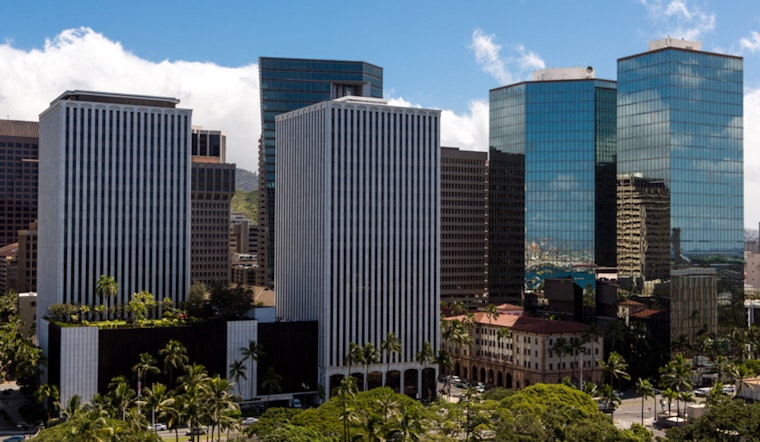
Oahu's office vacancy rate slipped to 12.59% at the end of 2025, the lowest level in four years, giving downtown landlords and investors something to finally smile about. The tighter numbers reflect a mix of lease renewals, targeted office conversions and a very thin pipeline of new construction. Even so, people watching the market closely say the good news is fragile, since broader economic trends and tech-sector swings could flip the script in a hurry.
According to Pacific Business News, Colliers Hawaii's fourth-quarter 2025 report pegged Oahu's office vacancy at 12.59% and laid out a cautious outlook for 2026, flagging the risk of a possible AI-fueled leasing bubble and rising cost pressures. Those headwinds, the summary noted, could make both landlords and tenants think twice before locking in long-term deals.
The latest dip continues a slow tightening that Colliers has been tracking. A year earlier, Colliers Hawaii reported a 12.73% vacancy rate for the fourth quarter of 2024 and highlighted conversion activity that was steadily pulling space out of the office pool. Taking older or underused towers and remaking them as housing or mixed-use projects has been one of the main ways Oahu's vacancy rate has come down, according to that analysis.
Developers have been busy on that front. Adaptive reuse and outright sales have trimmed supply, with projects such as the Davies Pacific Center conversion covered by Hawaii News Now and broader downtown redevelopment tracked by Honolulu Civil Beat. Those moves have helped soak up excess space even as demand recovers at different speeds across submarkets.
Still, Colliers has warned, as summarized by Pacific Business News, that an AI "leasing bubble" and mounting costs could easily stall the momentum heading into 2026 and push tenants to delay big commitments. In other words, a lower vacancy rate does not necessarily mean the market is fully healthy.
Other trackers paint a choppy picture for 2025. CBRE reported quarters of both negative and positive net absorption along with noticeable quarter-to-quarter changes in asking rents, a sign that landlords are testing price points while tenants keep shopping around. Those swings suggest the gains could prove temporary unless demand from larger office users becomes more consistent.
What to watch in 2026
Heading into the new year, three storylines will matter most. First, whether conversion projects stay on schedule and permanently remove office inventory, a factor Colliers Hawaii has pointed to as a major driver of vacancy. Second, whether tech and professional firms follow through on their interest with signed leases. Third, whether financing and operating costs ease or tighten. Each of these could nudge vacancy lower or send it climbing again, and a handful of large leases could make all the difference.
For owners, tenants and workers in Honolulu, the falling vacancy rate is a welcome signal, just not a slam dunk. Expect cautious leasing, selective conversions and close attention to big corporate decisions as the 2026 office storyline plays out.





