

























































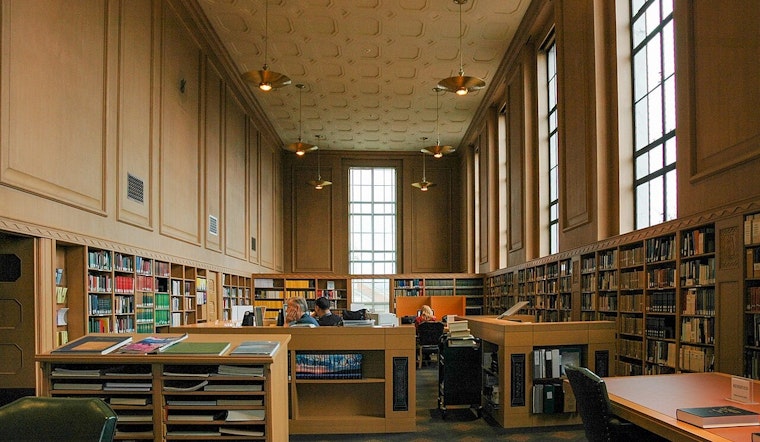
Attention members of the public with a vested interest in the future of our libraries: the Grants Evaluation Panel is gearing up for a crucial virtual meeting on January 14, 2026. Scheduled to commence at 12:00 p.m., participants will gather in the digital realm to parse through and deliberate on the Strong Libraries LSTA Mini Grant applications, a pivotal step in fortifying the bastions of knowledge within our communities. For those keen to bear witness to this endeavor, it’s open for public attendance with details for access courtesy of Tamara Ottum ([email protected], 971-375-3543), whose contact information was provided by the State of Oregon official announcement.
The session's agenda, which was requested in alternate formats by the public, is structured to fire up with a welcome and review of the process, swiftly followed by an in-depth discussion of the grant applications that's poised to shape library services. Attendees in need of sign language interpretation or handouts of meeting materials have received ample notice to request these accommodations 48 and 72 hours prior, respectively, ensuring accessibility for all. Buzzy Nielsen ([email protected], 971-375-3486) is on hand to field any burning questions or concerns about the grant or the meeting itself.
As the clock hits 2:00 pm, the panel will press pause, allowing a much-needed breather, before reconvening at 2:15 pm to continue the evaluation of applications. An indicative sign that the meeting, which also provides a sign language interpreter should the public request it, is focusing on thoroughness and nothing short of meticulous examination. The meeting's homestretch will include a wrap-up of discussions, an analysis of action items, and will culminate with an adjournment promptly at 4:00 pm.
For those unable to attend in real-time, the implications of the panel's decisions will nonetheless ripple through our public spheres, for libraries act as not just repositories of books, but hubs of culture, learning, and community engagement. As the panel deliberates, one might hope that their decisions will echo the collective aspirations of the very populace they serve, driven by a clear comprehension of the pressing needs and boundless potentials of our libraries. Thus, a wrap-up designed to encapsulate the essence of the deliberations and pave the way forward will culminate this consequential gathering.





