

























































Less than a year after Phoenix police touted a breakthrough in a decades-old cold case, prosecutors quietly walked it back. The first-degree murder charge that followed the high-profile arrest has been dismissed, leaving the victim’s family reeling and putting police use of facial-recognition technology under a harsh spotlight.
Maricopa County court records show the charge was officially dismissed on August 5, 2025. The records include an order sending parts of the prosecution back for review after a judge found that a cold-case detective gave misleading grand-jury testimony, according to ABC15.
How Police Say The ID Happened
Investigators turned to facial-recognition tools to chase new leads in the 1998 killing. They ran a motor-vehicle photo through state and federal face-matching databases and worked off the algorithm’s candidate list until they landed on a possible suspect. The technology was supposed to offer a fresh set of eyes. Instead, it is now at the center of questions about whether the tool nudged the investigation in the wrong direction.
National reporting has documented multiple incidents where facial-recognition hits helped trigger false or problematic arrests, and experts warn that the tools can generate bad leads and amplify human bias. A Washington Post investigation found that some departments leaned on the technology in ways that skirted internal safeguards and traditional corroboration procedures (Washington Post).
What The Phoenix Probe Produced
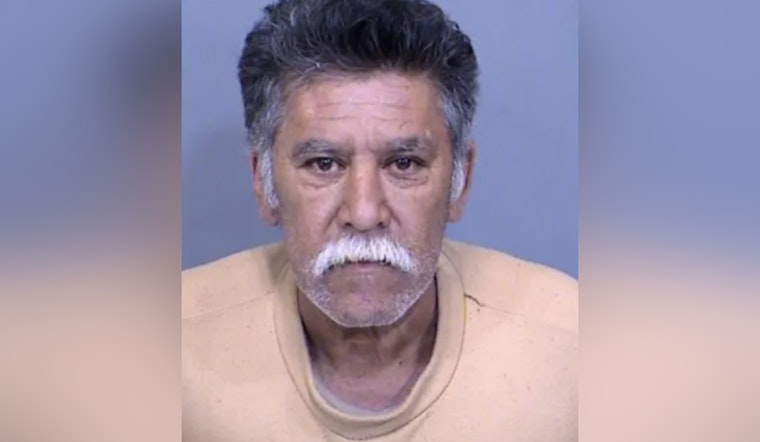
According to ABC15, detectives ran a 1998 MVD photo of the original suspect through the Arizona Department of Public Safety and FBI databases. The search reportedly produced about 250 possible matches before investigators zeroed in on a 2011 booking photo of Javier Lorenzano-Nunez.
Prosecutors alleged that the name on the 1998 record and the name on the 2011 booking photo were aliases for the same person and used that theory to seek an indictment. Lorenzano-Nunez was located in Tijuana and brought back to the United States after extradition efforts.
Defense Says The Evidence Never Connected Him
In court filings, defense attorneys argued that investigators could not place Lorenzano-Nunez in Arizona and that forensic testing, including DNA, fingerprint and handwriting checks, excluded him from the items that were examined. They also contend the alias tying the 1998 suspect to Lorenzano-Nunez appeared only after the investigation ramped up.
The judge’s decision to remand parts of the case highlighted gaps in how the grand jury was told the story, according to those filings, and helped pave the way for the dismissal.
Arrest, Extradition And Local Fallout
Phoenix police arrested Lorenzano-Nunez in Tijuana and extradited him to Phoenix in October 2024. The department detailed the arrest and identified the crime scene near 14th Street and McDowell Road in a media advisory and news release (Phoenix Police).
The case, trumpeted as a long-awaited break in a 26-year investigation, raised hopes for the family of victim Karen Carr. Those hopes did not last long. After the charge was dropped, relatives were left in a painful limbo, caught between decades of waiting and the sudden realization that the supposed suspect may have been the wrong man. Earlier coverage of the arrest and department announcement appears in local reporting, including a recap of the 2024 cold case "breakthrough".
What Experts And Advocates Say
Civil-rights advocates say what happened in Phoenix is a textbook example of the risks that come with using facial-recognition tools without strict limits and strong oversight. “Facial-recognition technology in the hands of police is dangerous,” Nate Freed Wessler of the ACLU’s Speech, Privacy and Technology Project has warned, and some jurisdictions have moved to ban or restrict the tools (ACLU).
Law-enforcement officials counter that face-matching programs can generate valuable leads when used carefully. The Phoenix case, however, is now held up as an example of why transparency, documentation and old-fashioned corroboration matter just as much as the latest tech.
For the Carr family, the dismissal is a bitter reversal after decades of waiting. For Lorenzano-Nunez, it may mark the start of a legal fight over whether his detention and extradition were justified. The homicide case itself remains open in Phoenix while detectives weigh their next steps.





