

























































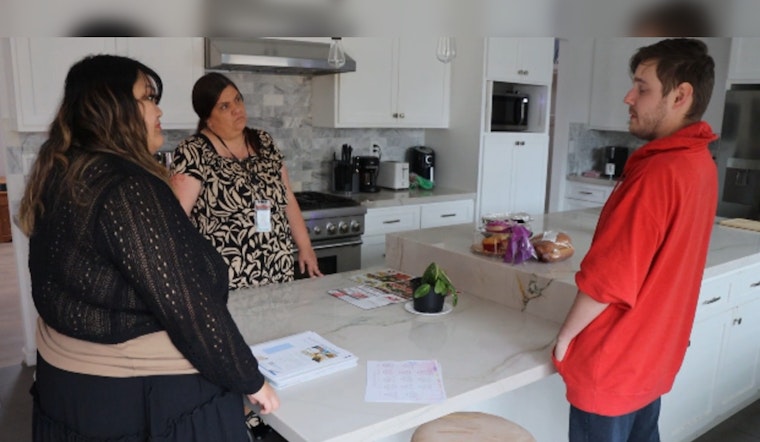
Placer County has boldly stepped into the future of mental health care by addressing a prevalent need among its residents. The county's Adult System of Care (ASOC) has provided a new model, the Mid Service Partnership (MSP), designed to slot perfectly between their high-intensity Full Service Partnership (FSP) and more commonplace clinic services. This 'Goldilocks' level of care, as dubbed by ASOC director Amy Ellis, serves those who fall through the cracks of the existing mental health system, offering an intermediate frequency of contact and care, as reported by Placer County's official website.
Until recently, clients with severe mental illness in Placer County were limited in their support options, receiving either too much or too little help, based on their level of need. The MSP aims to correct this imbalance by catering to around 40 clients per clinician, with meetings that range from every other week to once a month. "At the end of the day, this is about giving people exactly what they need for their recovery," program manager Dan Apgar emphasized in Placer County's news release.
Contrastingly, the county's FSP and clinic services operate at different ends of the spectrum. Clinic services provide monthly touchpoints to an average of 80 clients per clinician, maintaining a focus on housing assistance, and care coordination. Meanwhile, FSP delivers weekly care—or more frequently if needed—to approximately 10-12 clients per clinician, emphasizing intensive case management, crisis support, and efforts to reduce hospitalizations and psychiatric emergencies. The new MSP, therefore, offers a tailored approach for those requiring a service level that lies somewhere in between.
Funding for the MSP program comes innovatively through Medi-Cal reimbursements in a manner similar to clinic services, complementing the more intensive FSP, financially supported through the Mental Health Services Act. Currently, over 200 residents are enrolled in the MSP, with the staffing, being adjusted to meet demand. The flexibility in care levels also allows for fluid transitions between programs to best address changing client needs, reflecting the dynamic nature of mental health recovery. According to Placer County's announcement, it's this adaptive aspect of MSP that holds promise for the sustained progress of its participants.





