

























































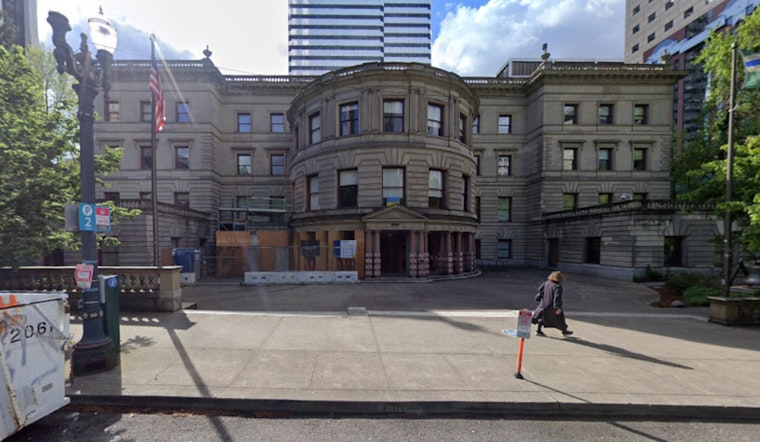
Portland City Hall has stumbled onto a $20.7 million pot of unspent rental‑registration fees, and city leaders are now racing to turn that bureaucratic leftover into a lifeline for renters facing eviction and rising housing insecurity.
A nonbinding proposal before Portland City Council would channel most of the money into renter‑stabilization efforts. Roughly $9 million would go to emergency housing vouchers, about $9 million to rent assistance and rapid rehousing, and $1.5 million to a right‑to‑counsel pilot program, with smaller slices set aside for landlord‑tenant education and provider stabilization. Council President Jamie Dunphy is among the sponsors urging fast action as evictions climb and federal dollars shrink for low‑income renters.
How The $20.7 Million Would Be Spent
The resolution, while nonbinding, spells out detailed dollar amounts and a multi‑year schedule for spending the unexpected windfall. It outlines $9 million for emergency housing vouchers that would be distributed to Home Forward in FY 2026‑27, roughly $9 million for rent assistance and rapid rehousing across several program buckets, $1.5 million for a right‑to‑counsel pilot, and smaller amounts for landlord‑tenant education, portfolio stabilization, and down‑payment assistance, according to the City of Portland.
“We know that the state and federal funding for rental assistance is being absolutely decimated,” Council President Jamie Dunphy said, calling the one‑time influx a way to “start stemming some of the bleeding,” in an interview with KATU. Dunphy and other sponsors describe the package as a short‑term bridge while they work out more stable funding sources.
The urgency is not theoretical. Federal funding gaps have left Portland’s housing authority under strain, and Home Forward has warned of major budget holes that could slow down voucher issuance and services, OPB reported. City officials argue that a targeted local infusion could serve as an “off‑ramp” for households staring down abrupt federal cuts.
Why City Leaders Say It Matters
The resolution leans on data from Multnomah County and the city that suggests the homeless services system is losing ground. Roughly 1,100 people are placed into housing each month, while about 1,400 people become newly homeless over the same period, and eviction filings in the county jumped between 2019 and 2024. The council says the funding package is designed to slow those trends. The figures and spending plan are laid out in the council materials posted by the City of Portland.
Process And Political Stakes
The Homelessness and Housing Committee advanced the resolution to the full council after debate, and sponsors urged the Mayor to fold the allocations into the Proposed Budget so that money can start moving in the next fiscal year, KPTV reported. Some councilors raised concerns in committee about oversight, per‑household costs, and whether the housing bureau can realistically handle additional programs without more staff capacity.
Outside City Hall, advocates and service providers pressed for speed at hearings and during a rally, telling councilors that rent assistance, legal help, and rapid rehousing are among the most effective tools to prevent people from entering shelters and experiencing long‑term displacement, Portland Mercury reported. Groups such as the Welcome Home Coalition urged the city to put eviction prevention and tenant legal aid ahead of enforcement‑heavy strategies.
The resolution itself does not carry the force of law, but it signals the council’s intent to “slow the inflow into homelessness” and formally asks the Mayor to adopt the priorities in the upcoming budget cycle, according to council sponsors quoted by KATU. If any of the recommended allocations are left out of the Mayor’s proposed budget, council members say they are prepared to bring amendments to lock in the spending.
Advocates describe the plan as a modest but urgent intervention that could keep vulnerable renters housed in the near term. At the same time, city officials and service providers openly acknowledge that this one‑time windfall will not resolve Portland’s shortage of permanently affordable housing, and that it will need to be paired with longer‑term investments and clear performance benchmarks.





